
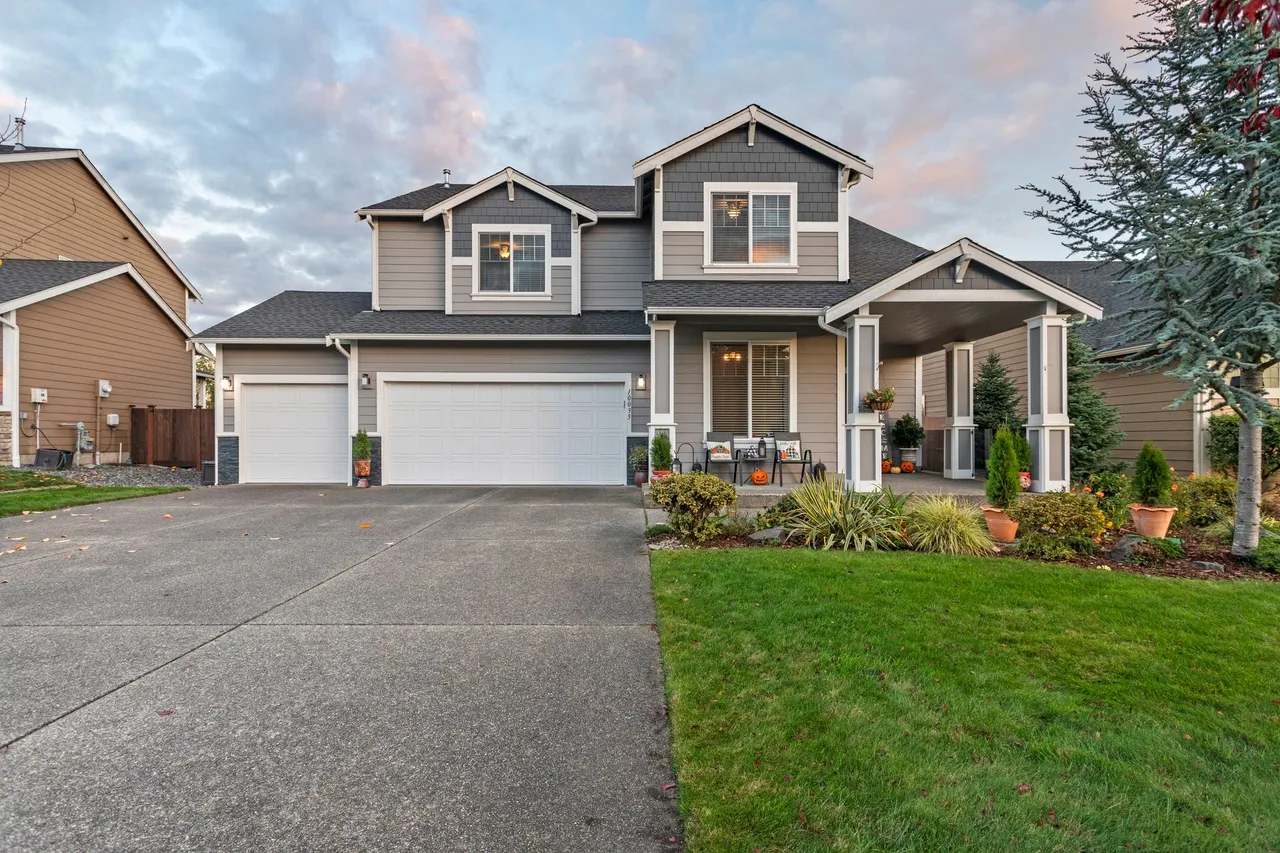
Choosing the right driveway material comes down to three intersecting questions: how will the surface be used, how should it look, and how much ongoing care are you prepared to give it? Working through those questions in order — before requesting quotes — saves time and helps you have a more productive conversation with any contractor you consult.
Why Material Choice Matters Before You Quote
Driveway materials are not interchangeable. Concrete, asphalt, exposed aggregate, pavers, and gravel each have different structural requirements, drainage behaviour, thermal performance, and maintenance cycles. Choosing on price alone, without considering your specific site and habits, often leads to costly rework. Use the checklist in this guide to clarify your priorities first, then request a project enquiry with that shortlist in hand.
It is also worth knowing early that a driveway crossover — the section connecting your property to the public road — is not purely a private surface. Councils including Port Adelaide Enfield describe the crossover as an owner responsibility that must meet council construction requirements. The City of Prospect requires authorisation before installing, modifying or relocating a driveway and gutter crossover on public land. Gawler similarly flags that crossover and stormwater connections can involve council authorisation. Requirements vary between councils, so check with your own local authority before any work begins, and verify that any contractor you engage is appropriately licensed for the scope of the job.
Section 1: Intended Use — What Will the Driveway Actually Do?
Start by being honest about load and frequency. A single-car household with light sedans has very different structural needs from a home that regularly accommodates a caravan, a boat trailer, or service trucks.
Hypothetical scenario (not a real customer): Imagine a household in the northern suburbs that parks two vehicles daily and stores a large caravan on-site over winter. A thin asphalt layer suited to light residential traffic could show rutting under sustained heavy-vehicle loading. That household would want to discuss a thicker base specification with their contractor — something to raise explicitly when seeking a quote.
Use this as a prompt list:
- How many vehicles, and what type (sedan, SUV, ute, trailer, caravan)?
- How often do heavy vehicles access the site (deliveries, skip bins, emergency services)?
- Is the driveway a turning area, or do vehicles reverse straight in and out?
- Are there tree roots nearby that could lift a rigid surface over time?
- Is the existing base in sound condition, or are there signs of subsidence?
South Australia’s planning framework has multiple assessment pathways, and requirements depend on the specific proposal and applicable planning rules. A contractor or council officer — not a referral website — can advise what approvals apply to your project.
Section 2: Appearance — What Finish Suits the Property?
Aesthetics are subjective, but some practical constraints narrow the field. Consider:
Colour and heat absorption. Adelaide summers are long and hot. Dark asphalt absorbs significantly more solar radiation than light-coloured concrete or pale pavers, which can be uncomfortable barefoot and can soften bituminous surfaces in extreme heat. Exposed aggregate and stencilled concrete offer mid-range colour choices without the full solar loading of black asphalt.
Surface texture and slip resistance. Polished finishes look sharp but can become slippery when wet. Broomed or exposed aggregate finishes retain grip. If your driveway slopes toward the garage, texture matters for safety as well as aesthetics.
Visual continuity. A material that complements the home’s facade reads as intentional design. Concrete pavers can match feature paving in an outdoor area; exposed aggregate can echo gravel garden paths. Consider the whole street view, not just the door.
Edge definition. Asphalt driveways with no edging restraint can creep at the borders over time. Concrete and paver installations allow cleaner, permanent edge lines.
For a broader look at how material and planning decisions interact, the guide to concrete or asphalt driveway planning covers these trade-offs in more depth.
Section 3: Care Requirements — How Much Maintenance Will You Do?
This is where many homeowners discover a gap between expectation and reality.
| Material | Typical maintenance tasks | Relative frequency |
|---|---|---|
| Plain concrete | Occasional cleaning, crack monitoring, possible resealing of joints | Low |
| Exposed aggregate concrete | Periodic sealing to protect surface stone and colour | Low–moderate |
| Asphalt | Resealing every few years; crack filling as needed | Moderate |
| Concrete pavers | Re-sanding joints, resetting any lifted pavers, weed control | Moderate |
| Loose gravel | Regular raking, top-up after rain wash-off, weed management | High |
If you are unlikely to remember to reseal a surface every couple of years, choose a material that is forgiving of neglect. If you enjoy weekend maintenance, pavers or decorative concrete may suit you well and reward the effort with renewed appearance.
Note that drainage performance varies by material. Permeable pavers and gravel allow stormwater to infiltrate; concrete and standard asphalt require positive drainage away from structures. The Town of Gawler describes stormwater affecting neighbours outside a recent development application as a civil matter between property owners. Council permission for crossover work or a stormwater connection to the street kerb is a separate question. See the related guide on planning driveway drainage questions before finalising a material choice.
Checklist: Before You Contact a Contractor
Use this as a preparation tool, not a specification document. A licensed contractor assesses the actual site.
- Identified the heaviest vehicle that will regularly use the driveway
- Noted any existing drainage issues or low spots
- Checked whether the crossover touches public land (council website or phone call)
- Decided on a preferred surface texture for safety and appearance
- Considered how much maintenance time you can realistically commit
- Noted any council or body corporate aesthetic restrictions
- Listed any features needed: edging, lighting conduits, turning circles
Comparing Quotes on the Right Basis
Once you have a material preference, compare the actual specifications as well as the total price. Ask each contractor to explain the assessed preparation, proposed surface, reinforcement if applicable, drainage and edge treatment in writing. Different written scopes cannot be compared as though they describe the same job. The guide to how to compare driveway quotes provides a separate comparison process.
The South Australian Government advises that consumers can check whether a builder is licensed for the particular class of work and can ask for explanations of any unclear contract terms before signing.
If You Are Replacing an Existing Driveway
Replacement projects have one additional consideration: the condition of the existing base. A new surface over a failed sub-base will reproduce the same problems. The driveway replacement checklist walks through the questions to ask about base assessment before any resurfacing quote is accepted. For a full replacement, driveway replacement and upgrade enquiries can connect you with contractors who handle the base preparation as part of the scope.
Ready to Discuss Your Options?
This checklist gives you a solid foundation for a productive first conversation with a contractor. When you are ready, you can submit a concrete driveway enquiry or an asphalt driveway enquiry through this site. The referral connects you with contractors in the Adelaide area; licensing and project-specific suitability remain matters between you and the professional you engage.
Further reading and sources
- SA Government — choosing a building professional: https://www.sa.gov.au/topics/housing/buying-building-selling/building-a-home/choosing-a-building-professional
- City of Port Adelaide Enfield — footpath and driveway services: https://www.cityofpae.sa.gov.au/services/footpath-driveway-services
- City of Prospect — work on council land: https://www.prospect.sa.gov.au/development/new-developments/undertaking-work-on-council-land
- Town of Gawler — land development: https://www.gawler.sa.gov.au/business-development/building-and-planning/land-development
- PlanSA — assessment pathways: https://plan.sa.gov.au/development_applications/getting_approval/how_applications_are_assessed/assessment_pathways
Discuss your project
This guide helps prepare questions; it is not a site assessment, design specification or professional approval. Read about driveway replacement enquiries in adelaide before making a project enquiry.