
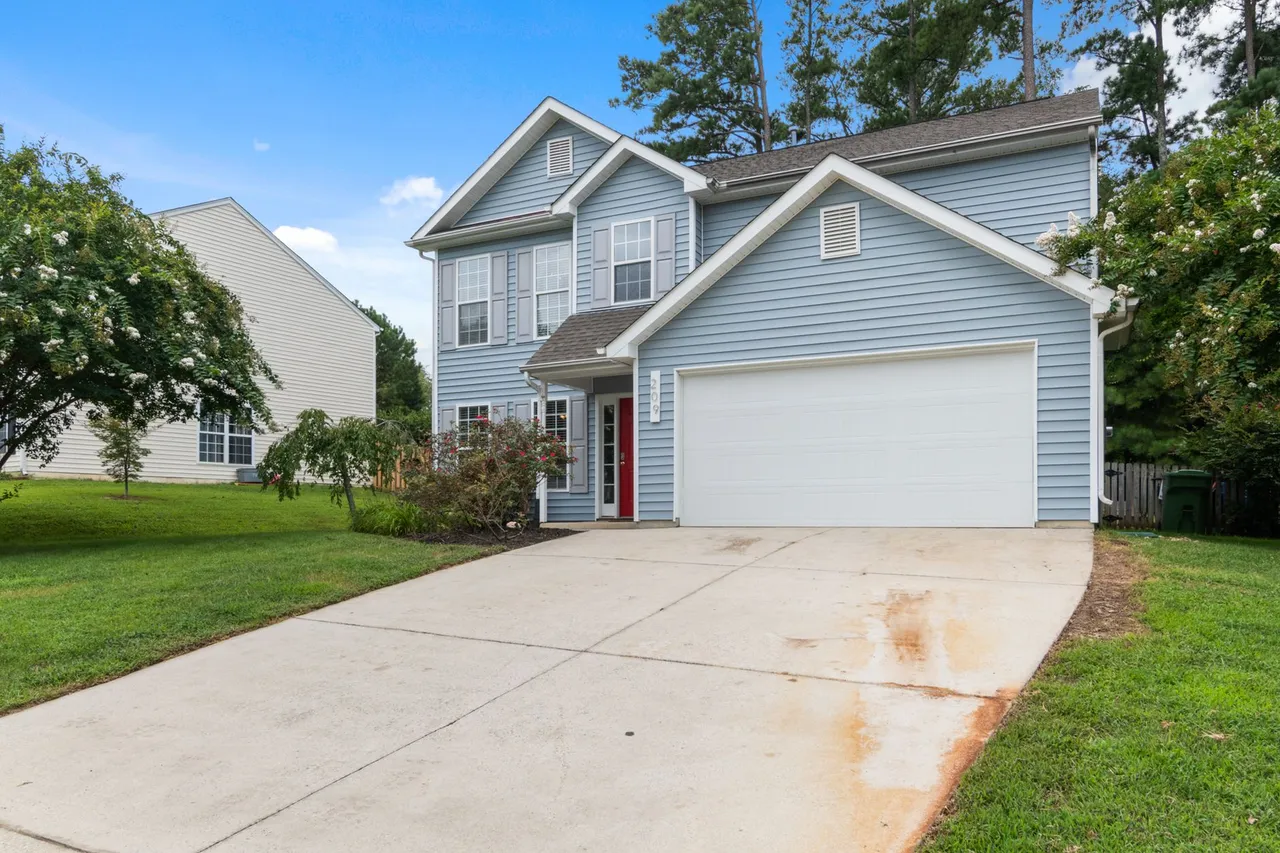
A well-prepared driveway repair enquiry gets you more accurate quotes and helps contractors understand your situation before they visit. Walk your driveway, note every visible concern, check whether your crossover touches council land, and think about whether repair or replacement makes more economic sense. That preparation—not the visit itself—is what this checklist covers.
Why preparation matters before you request a quote
Repair quotes vary widely not because contractors disagree on labour rates, but because an unprepared enquiry leaves too much ambiguous. A contractor who cannot see the full picture will often price conservatively, or will need a site visit simply to establish scope before quoting at all. The more clearly you can describe what you are seeing—and what you are unsure about—the more productive that first conversation will be.
This guide is for homeowners preparing an initial enquiry. It is not a structural assessment. Decisions about whether specific damage can be repaired, what materials suit your site, and whether work requires council approval belong to the qualified contractor and, where relevant, your local council.
Section 1: Visible concerns — what to photograph and describe
Before contacting anyone, spend ten minutes walking the full length of your driveway and noting what you see. Use your phone to photograph each issue from two angles: one close and one showing the surrounding context.
Cracking patterns — Are cracks hairline (surface only) or wide enough to insert a finger? Do they run in one direction, in a spider-web pattern, or follow the edges? Edge cracking and alligator-pattern cracking often indicate different underlying causes, so describe the pattern rather than just saying “cracked.”
Settlement and unevenness — Place a straight edge (a long spirit level or even a broom handle) across the surface. Can you see a gap beneath it? Settlement is relevant because it may point to base or subgrade issues that surface patching alone will not fix.
Surface deterioration — On asphalt, look for ravelling (loose aggregate), rutting in wheel tracks, or oil staining. On concrete, note spalling (flaking surface layer), exposed aggregate, or discolouration. These affect which repair method is worth considering.
Drainage behaviour — After rain, does water pool on the surface or run toward the garage? Note where it goes. This feeds directly into whether drainage work is part of the scope. See our related guide on planning driveway drainage questions for a fuller treatment of this topic.
Edges and borders — Are the edges crumbling or separating from adjacent garden beds, paths or the kerb? Edge restraint failure often widens over time.
Section 2: Assessment scope — understanding what you are actually asking about
Once you have documented what is visible, work out what area you are asking about. This shapes every quote you receive.
- Measure the approximate dimensions of the affected area and the total driveway. Even rough figures (e.g., “a 1.5 m patch near the kerb” versus “the whole 6 m × 10 m slab”) help narrow scope.
- Identify the material — concrete, asphalt, exposed aggregate, pavers, or a combination. Some older driveways have asphalt over a concrete base, which changes repair options significantly.
- Note the age and history — if you know when it was last laid or repaired, include that. A repair that is already failing within a few years suggests the base was not properly prepared first.
- Crossover and kerb area — if the damaged area extends to the kerb or the section between your property boundary and the road, that portion may involve public infrastructure. Councils across Adelaide have differing requirements: for example, Port Adelaide Enfield describes property owners as responsible for constructing, repairing and maintaining their crossover in accordance with council specifications, while the City of Prospect requires authorisation before work is carried out on public land including gutter crossovers. The Town of Gawler similarly notes that crossover and stormwater connections can involve council authorisation. Check with your own council before assuming repair work in that zone is entirely at your discretion.
This is not about seeking approval yourself before getting quotes — a good local contractor will know what approvals may apply. It is about flagging the crossover situation in your enquiry so it is not overlooked.
Section 3: Alternatives to a straight repair quote — when to ask the broader question
Not every damaged driveway is best served by a targeted repair. Part of a useful enquiry is being open about whether full replacement might be worth comparing. Consider asking about alternatives when:
- The damage covers more than roughly a third of the total surface (hypothetical threshold — your contractor may draw the line differently based on what they find).
- Cracking or settlement is widespread rather than localised, suggesting base failure rather than surface wear.
- The driveway is already decades old and has had previous repairs that have not held.
- You are planning other works (landscaping, retaining walls, stormwater upgrades) that would disturb the driveway anyway.
In those situations, a repair quote alongside a replacement quote gives you a genuine cost comparison. Our driveway replacement checklist and the how to compare driveway quotes guide are useful companions here.
Hypothetical scenario (illustrative, not a customer story): Imagine a homeowner notices cracking near the garage apron and assumes a small patch repair is all that is needed. When a contractor visits, they find the base under that section has moved due to tree roots — a localised repair would patch the visible crack but not address the cause. Having photos and a drainage observation already documented means that conversation can happen quickly at the enquiry stage rather than after a quote has been prepared for the wrong scope.
Preparing your enquiry: a quick checklist
Before submitting an enquiry for concrete driveway work or asphalt driveway work, or if you are considering replacement, run through these:
- Photographs of each visible issue from two distances
- Approximate dimensions of affected area and full driveway
- Material identified (concrete, asphalt, pavers, or unknown)
- Approximate age or last repair date if known
- Whether the damaged area reaches the crossover or kerb
- Notes on drainage behaviour after rain
- Any existing quotes or previous repair history
- Preferred outcome: targeted repair, full reseal, or open to comparing replacement
Licensing and council considerations
Before work begins, South Australia’s planning framework means some driveway work will fall under assessment pathways that depend on the specific proposal and planning zone. Your contractor should advise on this, and you can verify that a contractor is licensed for the relevant work by checking with the relevant authority — the SA Government recommends consumers confirm a builder’s licence covers the particular scope of work and that they seek clarification on any contract terms they do not understand.
This site connects enquiries with contractors; it does not hold contractor credentials or verify licences on your behalf. That check remains yours and your contractor’s responsibility. See our concrete or asphalt driveway planning guide for broader planning considerations before work starts.
Further reading and sources
- SA Government — choosing a building professional: https://www.sa.gov.au/topics/housing/buying-building-selling/building-a-home/choosing-a-building-professional
- Port Adelaide Enfield — footpath and driveway services: https://www.cityofpae.sa.gov.au/services/footpath-driveway-services
- City of Prospect — undertaking work on council land: https://www.prospect.sa.gov.au/development/new-developments/undertaking-work-on-council-land
- Town of Gawler — land development: https://www.gawler.sa.gov.au/business-development/building-and-planning/land-development
- PlanSA — assessment pathways: https://plan.sa.gov.au/development_applications/getting_approval/how_applications_are_assessed/assessment_pathways
Discuss your project
This guide helps prepare questions; it is not a site assessment, design specification or professional approval. Read about driveway replacement enquiries in adelaide before making a project enquiry.