
The short answer
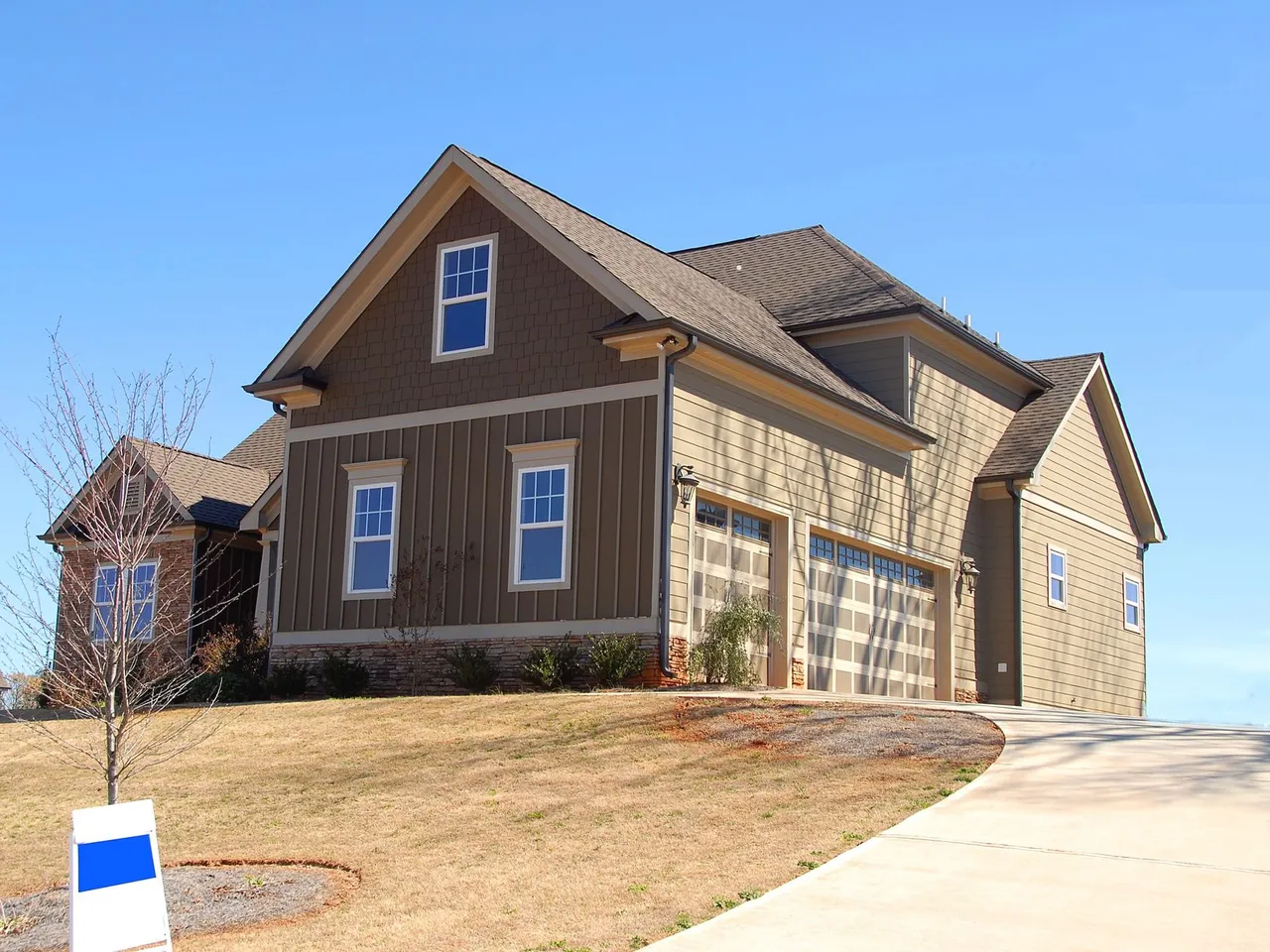
A sloping driveway in Adelaide requires you to think through four things before any concrete is poured or asphalt is laid: how steep the gradient actually is, whether your vehicles can clear the transitions at the top and bottom, where stormwater will go, and which council approvals apply to the crossover at the street. Getting those four things wrong in sequence causes expensive rework.
Why gradient matters more than it looks
A slope that looks gentle on a residential block can still create real problems for low-clearance vehicles, water runoff direction and the structural load on the slab or asphalt base. The gradient of a driveway is usually expressed as a ratio or percentage — the vertical rise over the horizontal run — but what matters practically is how that gradient changes along the driveway’s length, not just the average across the whole surface.
Sharp transitions — where the gradient changes quickly, such as at the bottom of a steep run before it levels out into a garage — are where vehicles scrape. A long, consistent slope is generally more manageable than a short, steep pitch, even if both measure the same average gradient. This is why the shape of the land matters as much as the numbers.
If you are replacing an existing driveway on a slope, the existing surface may be masking problems in the base below. A repaved surface that follows the same profile won’t fix a base that has shifted or settled unevenly. A contractor will need to assess the sub-base condition independently.
Vehicle clearance at transitions
The two critical clearance points on any sloping driveway are the entry transition (where the street crossover meets the driveway slope) and the exit transition (where the driveway meets the garage floor or parking area). Low-slung vehicles — including sports cars, some SUVs and vehicles with aftermarket lowering — are most at risk of undercarriage contact at these transitions.
A useful way to think about this: imagine a hypothetical household with two vehicles, a standard hatchback and a lowered sedan. The hatchback clears the transitions comfortably, but the sedan makes contact every time. The fix is not to repave the whole driveway — it’s to reshape the transition angles specifically. This hypothetical scenario illustrates why a one-size-fits-all approach to driveway gradient design doesn’t work. Your actual vehicle fleet, including any future vehicles you’re likely to own, is a relevant planning input.
Mention your vehicles — including their approximate ground clearance — when you speak with a contractor so transition angles can be considered in the design.
How to assess your block’s level before quoting
Before requesting a sloping driveway quote, it helps to have a basic understanding of what you’re working with. A site-specific level assessment is work for a qualified contractor or surveyor, but you can prepare useful information in advance:
- Measure the approximate rise and run. Use a tape measure and a spirit level on a straight board to get a rough sense of the vertical drop across the driveway’s length.
- Note where the steepest section is. Often this is at the street end, where the crossover meets the kerb, rather than the middle of the driveway.
- Identify any flat or reverse-fall sections. A section that slopes away from the garage rather than toward the street is a drainage problem waiting to happen.
- Look at what adjoining surfaces do. If neighbouring driveways or the footpath redirect water toward your property, this affects your design options.
This preparation helps you have a more productive conversation with a contractor and makes it easier to compare driveway quotes when you receive them.
Drainage questions specific to sloping driveways
Slope and stormwater are inseparable. A properly designed sloping driveway should direct runoff away from the dwelling and toward an appropriate outlet — either the street, a stormwater pit or an absorption area, depending on your site and your council’s requirements.
Problems arise when:
- The driveway gradient directs water toward the garage or house rather than away from it
- Water is concentrated and discharged in a way that affects a neighbouring property
- The crossover area at the street creates ponding because the transitions are not correctly profiled
Stormwater that affects adjoining properties is a planning and neighbourly concern. The Town of Gawler describes stormwater affecting neighbours outside a recent development application as a civil matter between property owners. Council permission for crossover work or a stormwater connection to the street kerb is a separate question. The same principle applies across Adelaide councils.
For a detailed look at how drainage decisions interact with driveway design, see the related guide on planning driveway drainage questions.
Council approval and the crossover
The section of your driveway that crosses the footpath and kerb — the crossover — is not simply private property. It is an interface with public infrastructure, and most Adelaide councils regulate it.
Port Adelaide Enfield describes owner responsibility for constructing, repairing and maintaining a crossover according to council requirements. The City of Prospect requires authorisation for installing, modifying or relocating a driveway and gutter crossover. These examples illustrate that crossover rules are council-specific, not universal — what applies in one suburb may differ in another.
South Australia also has multiple development assessment pathways under PlanSA; which pathway applies to your project depends on the proposal and the applicable planning framework. Some works may be exempt from a formal development application while still requiring council authorisation for work on public land.
Practically, this means:
- Check with your own council before any work begins on the crossover, even if you believe the work is minor.
- Ask your contractor whether they have handled crossover work in your council area before, and whether they can assist with the approval process.
- Verify contractor licensing independently. The SA Government advises consumers to check whether a builder is licensed for the particular work and to ask for clarification on any contract terms that are unclear.
A referral service like this one connects you with contractors but does not verify their credentials — that verification step is yours to complete.
Concrete vs asphalt on a slope
Both concrete and asphalt are used on sloping driveways in Adelaide, and both can perform well if installed correctly over a properly prepared base. The choice involves trade-offs worth understanding before you commit.
Concrete on a slope can be broom-finished or exposed-aggregate to improve grip. It is rigid, which means movement in the sub-base is more likely to result in cracking than with asphalt. Concrete also reflects heat rather than absorbing it, which can be relevant in Adelaide summers.
Asphalt is flexible and can accommodate minor sub-base movement more tolerantly. On steep slopes, fresh asphalt can be more sensitive to heavy vehicle loads before it cures fully. Colour and surface texture options are more limited than with concrete.
The concrete or asphalt driveway planning guide covers this comparison in more detail. If you are updating an older driveway on a slope, the driveway replacement checklist is also worth reviewing before you request quotes.
Before you request an enquiry
A sloping driveway project benefits from preparation. Before you submit a project enquiry, gather:
- A rough sketch or photo of the driveway showing where the slope changes
- The types of vehicles that will use it regularly
- Any existing drainage infrastructure (pits, agricultural drains, kerb outlets)
- Your council name, so the contractor can consider relevant crossover requirements
- Any previous reports or quotes you have already received
The more specific your brief, the more useful the contractor’s response will be — and the easier it becomes to compare what different contractors are actually proposing.
Further reading and sources
Discuss your project
This guide helps prepare questions; it is not a site assessment, design specification or professional approval. Read about driveway replacement enquiries in adelaide before making a project enquiry.