
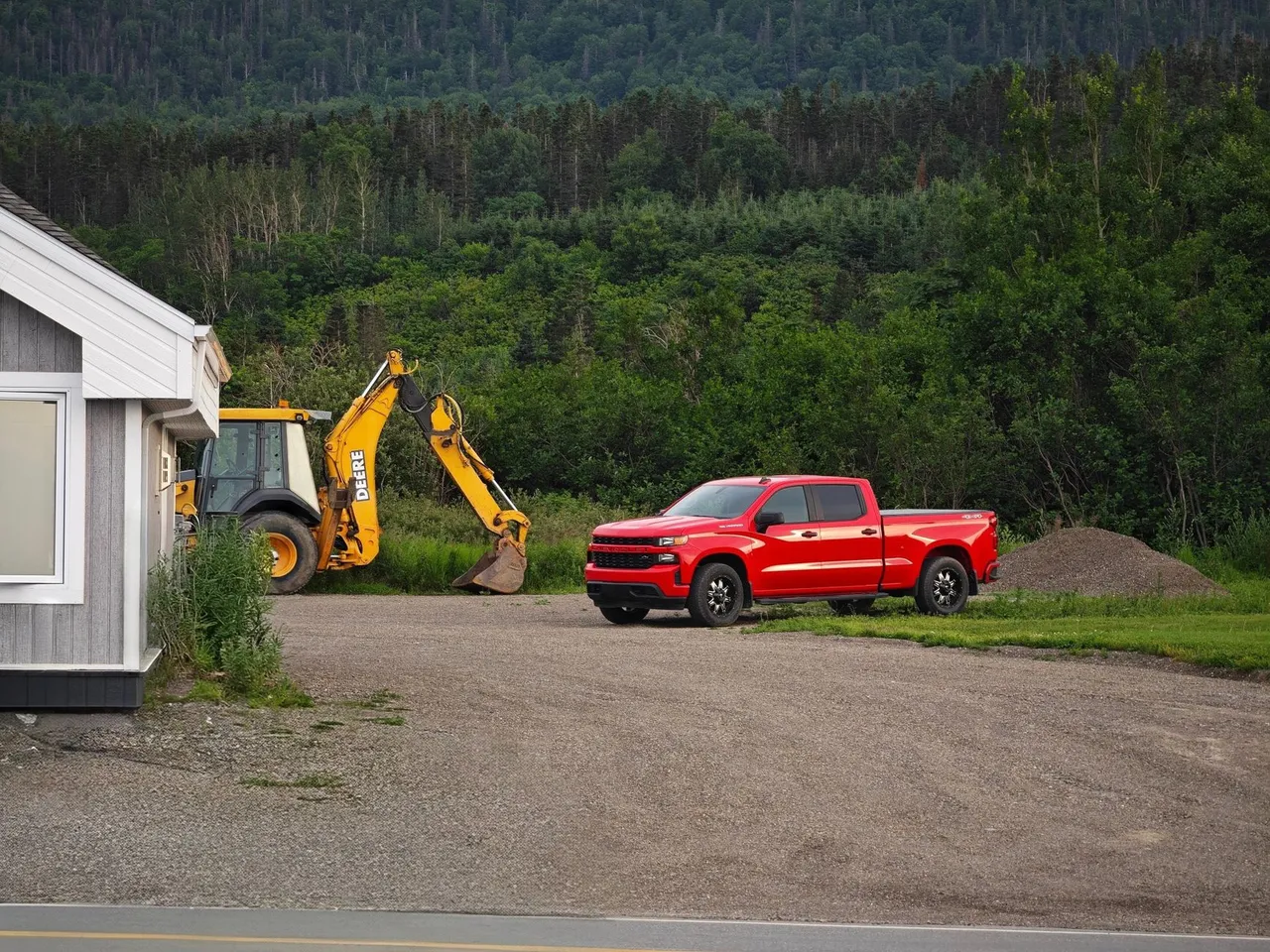
Preparing your property before driveway excavation begins is not just housekeeping — it directly affects how smoothly the job runs, whether surprises stop work mid-project, and what your final driveway excavation cost looks like. Practically speaking, preparation falls into three areas: making the site physically accessible, knowing where underground services run, and having a plan for unexpected conditions the excavation might uncover.
Why preparation matters for driveway excavation in Adelaide
Driveway excavation removes existing material — soil, old concrete, rubble — down to a level suitable for a new pavement base. The depth required varies depending on the finished surface and site conditions, but in every case the excavator is working close to the boundary between private property and council-managed infrastructure at the kerb. That boundary is where preparation mistakes tend to cost the most time and money.
Before you request a driveway excavation quote, working through the checklist below gives any contractor a clearer picture of what they are pricing and reduces the chance of a scope variation mid-job.
Clearing and securing the access route
Excavation equipment — even compact bobcats used on residential lots — needs a clear, stable path from the street to the work area. Before the contractor arrives:
- Remove vehicles, bins and stored equipment from the driveway and any area the machine needs to swing or reverse through.
- Check gates and side access. Measure the opening width and compare it against what the contractor says their equipment requires. If the gate cannot be temporarily removed, tell them before quoting, not on the day.
- Protect adjacent surfaces. Garden edging, irrigation heads, pathway pavers and low-level landscaping near the excavation zone can be damaged by machine tracks. Mark them or temporarily remove them.
- Consider footpath and verge. Machinery that crosses the council footpath or parks on the verge may be subject to local authority conditions. Councils including Port Adelaide Enfield describe owner responsibility for the crossover area, which typically extends to the kerb, so works affecting that zone should be discussed with both the contractor and your council before excavation.
Identifying and marking underground services
This is the step homeowners most commonly underestimate. Underground utilities — gas, electricity, water, telecommunications and sewer — can run across or along your driveway, often at shallower depths than you might expect.
Before You Dig Australia provides a referral service for requesting plans and information from registered asset owners before work. Ask the provider who will obtain and review responses for the proposed excavation area, follow each asset owner’s conditions and arrange any necessary service locating. Plans are not proof of an exact underground position or permission to excavate; the actual work requires an appropriate safe method.
Once you have the service plans:
- Share them with your contractor before they finalise scope.
- Mark known service locations on the ground using spray paint or flags so they are visible on the day.
- Discuss hand-digging or vacuum excavation requirements near confirmed service lines with the contractor. This may affect timeline and cost.
Stormwater and sewer connections also appear in this zone. The Town of Gawler describes stormwater affecting neighbours outside a recent development application as a civil matter between property owners. Council permission for crossover work or a stormwater connection to the street kerb is a separate question. Even in suburban Adelaide, an excavation that cuts or relocates a stormwater pipe can create liability if downstream properties are affected.
Understanding your council crossover obligations
In South Australia, the driveway crossover — the section spanning the kerb and council verge — is not simply an extension of your private property. Requirements differ between local government areas.
City of Prospect requires authorisation before anyone installs, modifies or relocates a driveway and gutter crossover on public land. Port Adelaide Enfield places responsibility for constructing and maintaining the crossover on the property owner, subject to council specifications. If your project includes widening, relocating or reconstructing the crossover point, check with your specific council before work begins — not after.
South Australia also has multiple planning assessment pathways under the planning framework administered by PlanSA. Whether your driveway modification triggers a development application depends on the proposal and the applicable planning rules for your zone. Your contractor can advise whether this is likely, but the determination rests with your council or the relevant assessment body, not with this website or any referral service.
See our related guide on concrete or asphalt driveway planning for more on how surface choice intersects with what excavation and base preparation your project will need.
Having a procedure for unexpected conditions
Even a well-prepared site can produce surprises once the ground opens up. Common unexpected conditions during driveway excavation include:
- Soft or unstable subgrade — soil that has been disturbed by tree roots, old fill, or long-term moisture and will not carry a pavement base without additional work.
- Buried rubble or old construction waste — common in older Adelaide suburbs where properties may have had previous structures or on-site burial of demolition material.
- Undocumented services — pipes or conduits not shown on utility plans.
- Rock — variable across Adelaide; some areas have limestone or other rock at shallow depth that requires different equipment or more time to remove.
Hypothetical scenario (illustrative, not a customer account): Imagine a homeowner in an inner-northern suburb who has prepared thoroughly — services marked, council crossover approval in hand, access cleared. The excavator exposes a layer of compacted rubble and ash about 300 mm below the surface, consistent with a demolished outbuilding. Because the homeowner and contractor had already discussed a variation procedure in their written agreement, work pauses, the contractor assesses the extra material removal required, and a written variation is agreed before work resumes. Without that pre-agreed process, the same discovery becomes a dispute about who pays for the extra half-day’s work.
Before excavation starts, ask your contractor:
- What is the process if unexpected material or ground conditions are found?
- How will variations to scope be documented and priced?
- What is the threshold at which work stops to seek instructions versus continues at an agreed day rate?
Having answers in writing protects both parties.
Checking contractor licensing and your contract
For residential work in South Australia, consumers can verify whether a builder is licensed for the particular class of work and ask for explanations of any contract terms that are unclear, as the SA Government advises when choosing a building professional. This site connects enquirers with contractors but does not verify credentials on anyone’s behalf — that check is the homeowner’s responsibility before signing.
Ensure your contract specifies the excavation depth and disposal method for spoil. Where spoil goes matters — some mixed material from older sites may attract different disposal costs than clean soil.
Getting your driveway excavation quote right
A useful driveway excavation quote is based on actual site information, not assumptions. When you request a project enquiry, being able to tell a contractor the following makes their pricing more reliable:
- Approximate area and shape of the driveway
- Known services and their approximate locations
- Council crossover involvement (yes/no and what approval stage you are at)
- Any known ground condition issues — slopes, rock, fill
- Disposal requirements if you are aware of them
For guidance on comparing what comes back, see how to compare driveway quotes and the driveway replacement checklist. If drainage around the new surface is a concern, planning driveway drainage questions covers what to raise with your contractor before work begins.
Enquiries for concrete driveway and asphalt driveway work can be submitted separately depending on your preferred surface.
Further reading and sources
- SA Government — Choosing a building professional: https://www.sa.gov.au/topics/housing/buying-building-selling/building-a-home/choosing-a-building-professional
- City of Port Adelaide Enfield — Footpath and driveway services: https://www.cityofpae.sa.gov.au/services/footpath-driveway-services
- City of Prospect — Undertaking work on council land: https://www.prospect.sa.gov.au/development/new-developments/undertaking-work-on-council-land
- Town of Gawler — Land development: https://www.gawler.sa.gov.au/business-development/building-and-planning/land-development
- PlanSA — Assessment pathways: https://plan.sa.gov.au/development_applications/getting_approval/how_applications_are_assessed/assessment_pathways
Discuss your project
This guide helps prepare questions; it is not a site assessment, design specification or professional approval. Read about driveway replacement enquiries in adelaide before making a project enquiry.