
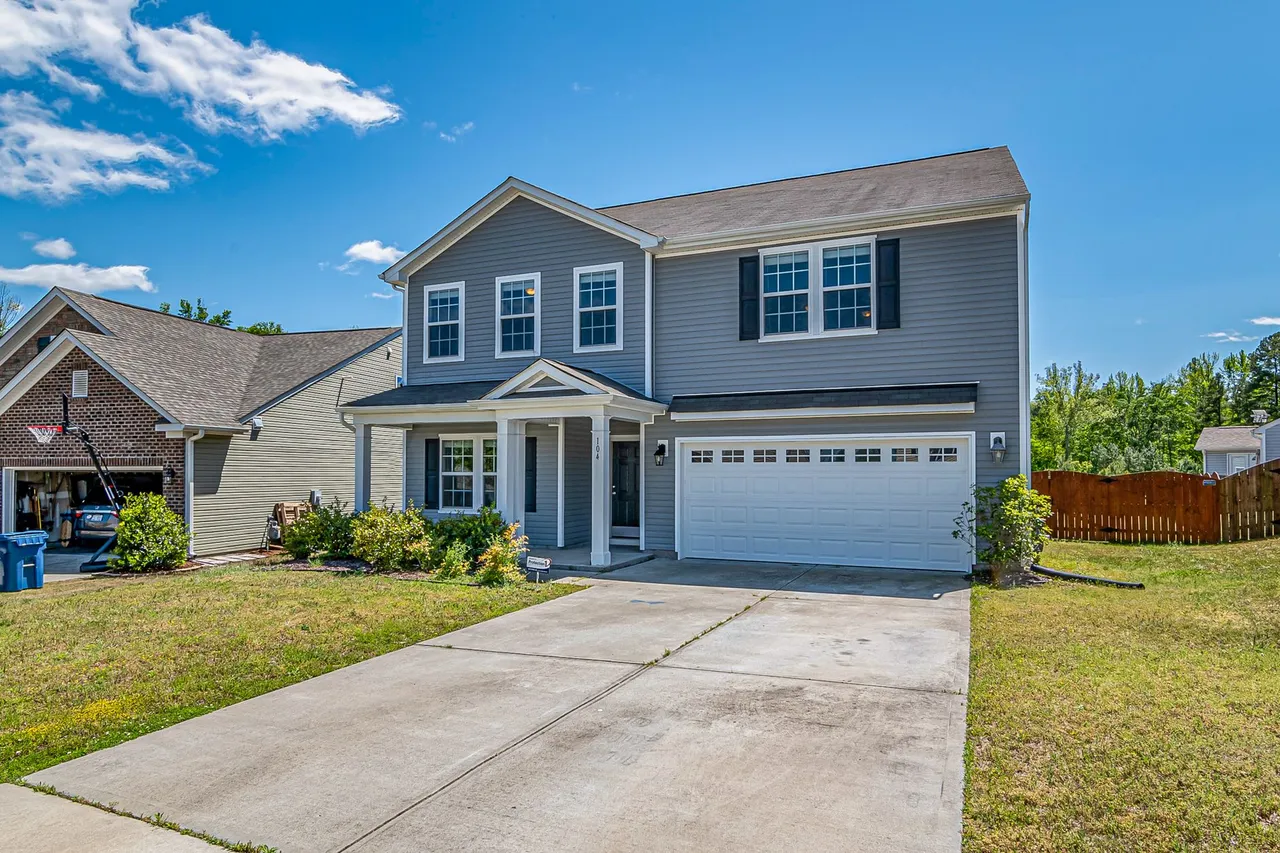
When you have a new or resurfaced driveway installed in Adelaide, ask your contractor for written product-specific care instructions, warranty details, drainage responsibilities, and any council approval documents before they leave the site. Having this paperwork from day one is the single most practical thing you can do to protect your driveway maintenance decisions for years ahead and avoid disputes later.
Why driveway maintenance starts with documentation
Most driveway problems — premature cracking, surface delamination, pooling water — become harder and more expensive to resolve when neither the homeowner nor a subsequent contractor can determine what was originally laid, how thick the base was, or what curing conditions applied. Good documentation shifts that uncertainty in your favour. It also gives any future tradie a starting point rather than guesswork.
In South Australia, you can check whether a contractor is licensed for the specific work they are doing by asking to see their licence, and if there is something in a contract you do not understand, you are entitled to ask the person to explain it. Doing this before work starts, rather than after a dispute, is far less stressful.
Product-specific care instructions to ask for
Concrete and asphalt behave differently after installation, and your contractor is the right person to give you material-specific guidance. As a starting point, ask them to cover:
- Curing and load restrictions — how long before you can park on it, and whether that period changes in hot or cold weather
- Sealing schedule — whether a sealer was applied, what product was used, and when resealing is recommended
- Cleaning methods — which products are safe for the surface and which chemicals or high-pressure settings to avoid
- Surface changes to watch for — hairline cracks versus more significant cracking, efflorescence on concrete, ravelling on asphalt
- Resurfacing suitability — under what circumstances resurfacing is an appropriate repair and when a base failure means full replacement is the only sound option
Note: determining whether a crack is structural or cosmetic is a judgement call that belongs to a qualified tradesperson inspecting the driveway in person — not a checklist. If you notice changes later, that written product guidance gives you an informed starting point for the conversation.
For further background on what distinguishes concrete from asphalt long-term, see our guide on Concrete or asphalt driveway planning.
Drainage responsibilities you need to understand
Stormwater management is one of the most commonly overlooked parts of a driveway project. Where water flows off your driveway — and whether it reaches a neighbour’s property or the public footpath — can carry both practical and regulatory consequences.
Some Adelaide councils address stormwater connections explicitly as part of driveway and crossover work. The right question to ask your contractor is: where is water intended to go, and does that arrangement comply with council requirements for this property?
This is especially relevant if your driveway slope changed during the project, or if you have had drainage problems before. See our separate guide on Planning driveway drainage questions for more on what to raise at the quote stage.
Crossover documentation and council approvals
A driveway crossover is not simply an extension of your property. As the City of Prospect confirms, public land extends from property boundary to property boundary and includes the road carriageway, footpaths and verge — meaning the crossover sits in a different regulatory category from the driveway surface on your land.
Requirements vary by council area. Under the Local Government Act 1999, Port Adelaide Enfield places responsibility on property owners to construct, repair and maintain their driveway crossover in accordance with council specifications and in a safe condition. The City of Prospect requires authorisation before any installation, modification or relocation of a driveway and gutter crossover. Guidance from one council should not be assumed to apply in another suburb.
South Australia’s planning framework also includes multiple assessment pathways — exempt, accepted, code assessed and impact assessed — and the pathway that applies to a given proposal depends on its potential impact and complexity. There is no single universal rule.
What to request from your contractor:
- Copies of any council applications or approvals obtained for the crossover
- The name of the council officer or team that issued approval, if applicable
- Confirmation of which council standards or specifications the crossover was built to
- Contact details for following up with the relevant council
If your contractor cannot produce these documents, contact your council directly to understand what approvals were required. For more detail on what crossover enquiries involve, see our guide on driveway crossover enquiry preparation.
Maintenance-relevant records to keep
Once the work is complete, a focused set of maintenance records will serve you far better than a general pile of paperwork. The comprehensive project completion and sign-off documentation — signed contract, final invoice, photographic record of base preparation — is covered in our driveway project handover checklist. The records below are specifically useful for ongoing maintenance decisions:
From the contractor:
- Product specification sheets for the concrete mix, asphalt grade or sealer used
- Warranty document with its expiry date in plain language, including what surface changes it does and does not cover
- The recommended resealing schedule and approved cleaning products
- Contractor’s licence number and business contact details for future reference
From the council (where applicable):
- Crossover approval or permit and its reference number
- Any conditions attached to the approval that affect future alterations
Your own ongoing records:
- Date of installation and any curing notes
- Dates and products used for sealing, cleaning or minor repairs
- Photographs taken at completion and annually thereafter to track surface changes over time
A hypothetical scenario worth considering: imagine two identical driveways installed in the same street. Five years later, both develop surface cracking. One homeowner has the original product specification and sealing schedule in writing; the other does not. The first can have an informed conversation with a qualified tradesperson about whether the cracking falls within normal material behaviour or not. The second starts from scratch. This scenario is illustrative, not drawn from an actual case.
When maintenance reveals a bigger problem
Sometimes routine maintenance — resealing, patching, cleaning — exposes underlying issues that suggest the driveway is approaching end of life rather than just needing upkeep. Signs worth getting a professional opinion on include widespread base movement, significant edge failure, recurring cracking in the same locations, or water pooling that was not present before.
In those circumstances, resurfacing alone may not resolve the underlying cause. A contractor assessing the driveway in person is the appropriate person to advise whether repair or full driveway replacement is warranted. See also the driveway replacement checklist for a broader look at what that decision involves.
Verifying your contractor’s credentials
Before any driveway project begins — or if you are bringing in someone to maintain or repair an existing surface — it is reasonable to confirm whether the person is appropriately licensed for the work they will be performing. In South Australia, consumers can verify licensing status by asking to see the licence directly. This site provides referrals to help connect you with contractors, but verifying credentials and assessing suitability for your specific project is a step you should take directly with the person doing the work.
For guidance on evaluating what different contractors are offering, see How to compare driveway quotes and Selecting a driveway contractor — questions to ask.
If you would like a referral to a contractor for driveway work in Adelaide, you are welcome to submit an enquiry and we will follow up where available.
Further reading
- SA Government – Choosing a building professional
- Port Adelaide Enfield – Footpath and driveway services
- City of Prospect – Undertaking work on council land
- Town of Gawler – Land development
- PlanSA – Assessment pathways
Discuss your project
This guide helps prepare questions; it is not a site assessment, design specification or professional approval. Read about driveway replacement enquiries in adelaide before making a project enquiry.