
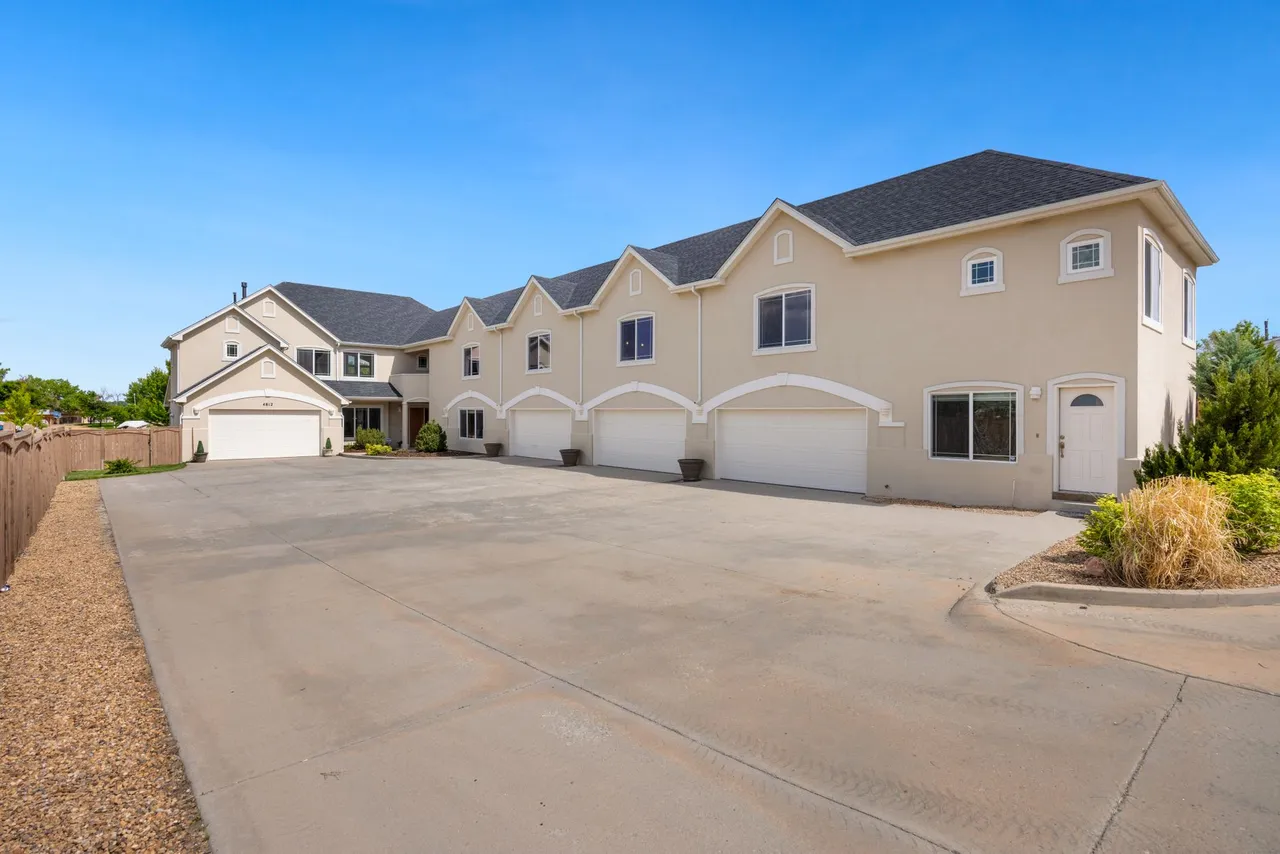
Before widening a driveway in Adelaide, the useful questions cover available physical space, what happens at the kerb crossover, how drainage changes across the new surface, and whether council authorisation applies. Working through those questions before you approach a contractor saves time and avoids surprises once excavation begins.
Why widening is more involved than it first looks
Adding width to a driveway sounds straightforward — extend the slab or asphalt strip sideways and you are done. In practice, widening touches at least three separate systems: the sub-base beneath the new section, the existing surface it must join, and the driveway crossover where the driveway meets the road reserve. Each of those systems has its own condition, and each may involve a different authority or professional. Clarity on all three is what separates a smooth project from one that stalls after excavation begins.
See also: Concrete or asphalt driveway planning for a broader look at material choices before you commit.
Available space: what actually limits how wide you can go
The most obvious constraint is the physical gap between the existing driveway edge and the nearest boundary — fence, wall, garden bed, or underground service. A contractor will assess whether that gap allows a worthwhile addition once formwork, compaction equipment and expansion joints are accounted for.
Less obvious constraints include:
- Underground services. Water, gas, NBN conduit and irrigation lines often run parallel to driveways. Before You Dig Australia notifications are part of any responsible site preparation.
- Soil condition at the edge. The existing driveway sits on compacted sub-base. The adjacent ground may be loose fill, clay or root-affected soil — all of which behave differently once loaded by vehicles.
- Slope across the new section. A widened section that pitches toward the house or pools against a fence will create ongoing drainage problems. Falls and runoff direction are worth discussing before work starts, not after.
- Retaining requirements. Where the land beside the driveway is higher or lower, widening may require a low retaining edge or batter. That can affect cost and may have planning implications depending on height.
The crossover question
The section between your property boundary and the road carriageway — the crossover — is not simply private property surface. In South Australian councils, the owner may be responsible for constructing and maintaining a crossover to council specifications. Whether widening your driveway requires you to modify or extend the crossover, and what authorisation that triggers, depends on your specific council and road type.
As one example of how this works in practice: the City of Prospect requires authorisation under Section 221 of the Local Government Act 1999 for anyone who installs, modifies or relocates a driveway and gutter crossover, or otherwise changes the construction or arrangement of the road to facilitate access from or to a property. Requirements vary elsewhere, so the practical step is to check directly with your council before any kerb-side work is priced or started.
For a full treatment of crossover responsibilities, application processes and what to ask before lodging anything, see Driveway crossover enquiry preparation.
Driveway drainage: the detail most people overlook
Widening increases the sealed catchment area of your driveway. More hard surface means more stormwater runoff during rain, and it needs somewhere to go that does not create a problem for the house, the footpath, or neighbouring properties.
The Town of Gawler notes that where stormwater from a site affects neighbouring properties it is a civil matter to be dealt with between the property owners — which underlines why getting drainage right at the design stage matters. Their guidance also flags that water must not flow across a footpath area or the verge, and that a kerb or spoon drain should be provided where paving falls toward the boundary.
Common drainage approaches for a widened driveway include:
- A channel drain at the centre or edge to intercept runoff before it reaches the house or boundary
- Maintaining or improving the cross-fall toward the street
- Connecting to an existing stormwater system where authorised by council
See Planning driveway drainage questions for more detail on drainage options and what to ask a contractor.
Joining new material to old: a practical scenario
Hypothetical scenario — not based on a real project: Imagine a double-width concrete driveway poured fifteen years ago. The owner wants to add a third car bay on one side. The existing concrete has hairline shrinkage cracks but a sound base. The new section would need its own sub-base preparation, a construction joint between old and new concrete, and matched aggregate and finish — otherwise the two sections weather at different rates and the joint opens over time. If the owner had instead asked about resurfacing over the existing cracks without base investigation, a good contractor would point out that resurfacing alone does not address base movement and the cracks would re-emerge. This kind of scenario is worth raising directly when you talk to contractors.
Resurfacing versus widening: when they overlap
Sometimes a widening enquiry reveals that the existing surface also needs attention. If the current driveway has a deteriorating surface, widening is a natural point to also consider driveway replacement or full resurfacing, since mobilisation costs are shared and the join between old and new material becomes a non-issue.
The driveway replacement checklist can help you think through whether a full replacement makes more sense than extending a driveway that is already approaching end of service life.
What a contractor site visit should cover
A site visit from a qualified contractor should give you clear answers on:
- Actual available width once services and boundary setbacks are considered
- Sub-base condition in the area to be widened
- Cross-fall across the finished surface and how drainage will be managed
- Whether the crossover requires modification and what council process applies
- Material options — concrete or asphalt — and how the join between old and new will be handled
- An itemised quotation that separates preparation, materials and any council-related costs
The SA Government advises consumers to check whether a contractor is licensed for the particular work and to ask for explanations of any unclear contract terms before signing. Requesting a written scope and quote from more than one contractor is a reasonable step before committing. See How to compare driveway quotes for a guide to what a detailed quote should include.
Preparing your enquiry
Before contacting contractors, it helps to have a rough sense of:
- The dimensions of the existing driveway and how much width you want to add
- The material (concrete or asphalt) and approximate age of what is there now
- Whether the crossover would need to change
- Any drainage concerns you have already noticed
You can submit a project enquiry through the Concrete Driveway Enquiries or Asphalt Driveway Enquiries pages to connect with contractors serving Adelaide. This site is a lead-referral service; contractors who respond are independent businesses, and you should confirm their licensing and ask for a detailed written quote before proceeding.
Sources
- City of Prospect — undertaking work on council land: https://www.prospect.sa.gov.au/development/new-developments/undertaking-work-on-council-land
- Town of Gawler — land development and stormwater disposal: https://www.gawler.sa.gov.au/business-development/building-and-planning/land-development
- PlanSA — assessment pathways: https://plan.sa.gov.au/development_applications/getting_approval/how_applications_are_assessed/assessment_pathways
- SA Government — choosing a building professional: https://www.sa.gov.au/topics/housing/buying-building-selling/building-a-home/choosing-a-building-professional
Discuss your project
This guide helps prepare questions; it is not a site assessment, design specification or professional approval. Read about driveway replacement enquiries in adelaide before making a project enquiry.