
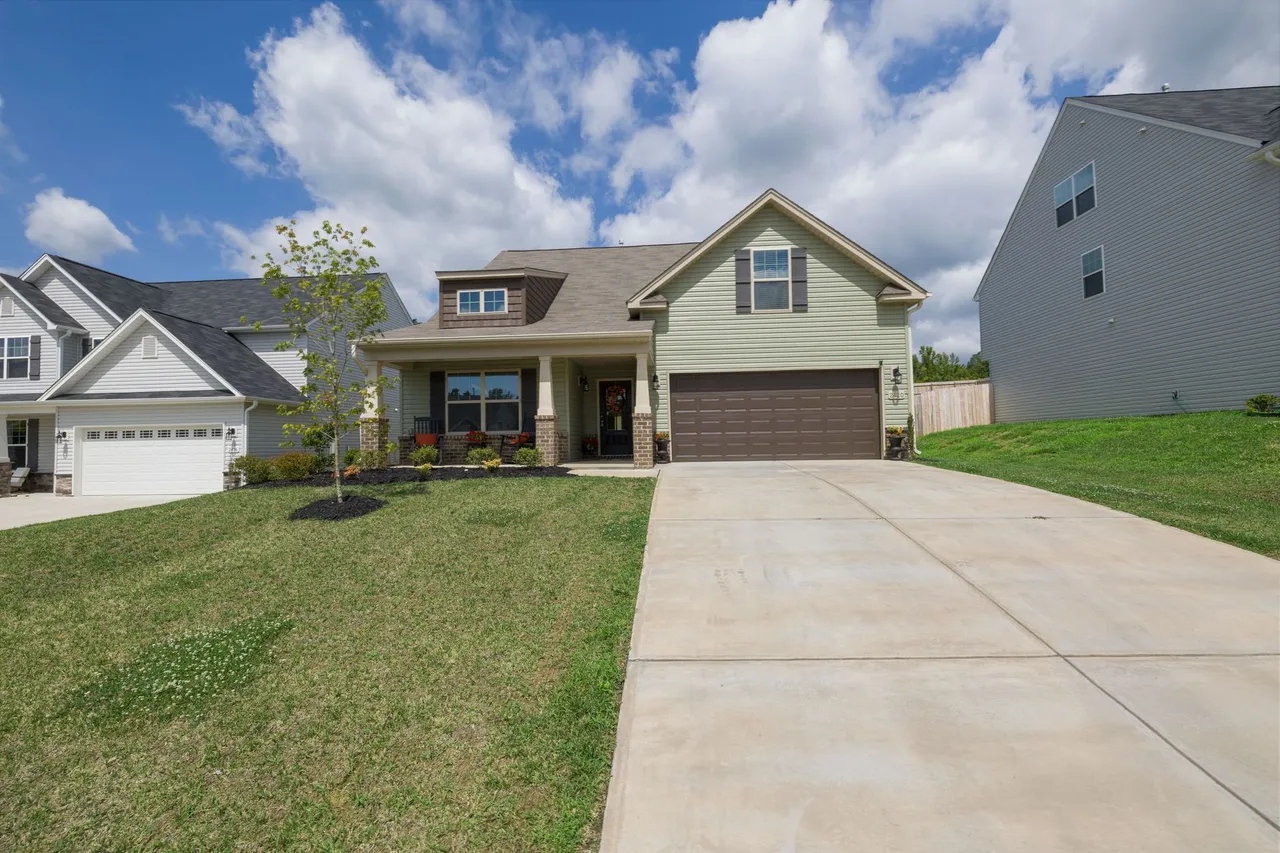
What concrete driveway resurfacing actually involves
Concrete driveway resurfacing means applying a bonded overlay or coating system to an existing concrete slab rather than removing and replacing it. Done under the right conditions, it can restore surface appearance and add texture at a lower disruption cost than full replacement. Done on the wrong substrate, however, it creates a cosmetic fix over a structural problem — and that distinction is exactly what your pre-job questions should probe.
This guide helps Adelaide homeowners prepare useful, specific questions before meeting a contractor. The decisions themselves — including whether resurfacing is appropriate for your slab — belong with the licensed professional assessing the site.
Condition assessment: what the contractor should be looking at
Before any resurfacing product is chosen, a competent contractor should inspect the full slab, not just the most visible damage. Here are the condition questions worth raising:
What type of cracking is present?
Hairline surface cracks behave differently to structural cracks that extend through the full slab depth, or to cracks caused by tree-root heave, subsidence or failed expansion joints. Surface overlays can bridge fine cosmetic cracks but will not arrest movement in a structurally compromised slab. Ask the contractor to describe what they observe and what category they place each crack in.
Is the existing surface sound?
A common test is a simple tap or drag-chain survey across the slab — hollow sounds can indicate delamination or debonding of the existing surface layer. If large sections are already delaminating, an overlay applied on top is likely to follow the same failure path.
What is the condition of the substrate beneath?
Surface spalling, efflorescence or persistent damp patches can indicate that moisture is migrating through the slab from below. An overlay does not fix a drainage or base-compaction problem. Ask the contractor whether they intend to investigate those possibilities and what they would recommend if the base is compromised.
Is the slab level, or has differential settlement occurred?
Areas that have sunk or lifted relative to adjacent sections generally require more than resurfacing. This is worth flagging explicitly rather than leaving to assumption.
Proposed preparation: the step that determines whether resurfacing lasts
Ask the provider how the proposed surface preparation relates to the actual substrate and overlay product requirements:
- How will the surface be prepared? Grinding, scarifying or shot-blasting open the concrete pores and remove contamination. Light washing alone is typically insufficient for a durable bond.
- Will existing sealers, oil staining or curing compounds be removed? These act as bond-breakers. Contaminated areas may need mechanical removal or chemical treatment before any overlay is applied.
- How will existing cracks be treated prior to resurfacing? Routing and filling expansion joints, filling voids and stabilising active cracks should happen before the overlay, not after.
- What primer system is specified? Most overlay products require a compatible primer applied to the prepared substrate within a defined window before the topcoat. Ask the contractor to explain the system they use and why it suits your slab type.
A contractor who cannot clearly explain preparation steps is worth questioning further before proceeding.
Alternative scope: when resurfacing may not be the right answer
Resurfacing is not always the most cost-effective or durable solution. Ask the contractor under what circumstances they would recommend full removal and replacement instead, and whether that is an option you should price simultaneously.
A hypothetical enquiry: a homeowner sees settled corners and surface damage on an existing driveway and wants to know whether an overlay is an option. They describe what they can observe, then ask the contractor what assessment is needed, which options are feasible and what each proposal would leave unresolved. The example does not diagnose the cause or predict the lifespan of a treatment; those questions require an assessment of the actual driveway.
It is also worth asking about finish options at this stage. If resurfacing is proceeding, the finish applied affects both aesthetics and long-term maintenance. A broomed or textured overlay behaves differently to a smooth-trowelled or decorative aggregate finish. See the concrete driveway finish options to discuss guide for a fuller breakdown, and exposed aggregate driveway selection if you are considering a seeded or exposed aggregate overlay.
Council and crossover considerations in Adelaide
If your driveway includes or connects to a council crossover — the section crossing the kerb and footpath — resurfacing work in that zone may require council authorisation. This is not purely an internal property matter.
The City of Port Adelaide Enfield, for example, describes the crossover as an owner responsibility to construct, repair and maintain according to council requirements, meaning any work in that zone may need to meet specific council specifications. The City of Prospect requires authorisation for installing, modifying or relocating a driveway and gutter crossover.
Requirements differ between councils. Before work starts, check with your responsible council whether resurfacing or alteration of the crossover section requires approval, and ask your contractor whether their quote covers compliance with those specifications. South Australia also has multiple planning assessment pathways, and requirements depend on the specific proposal and applicable planning framework — your contractor and council are the right sources for site-specific approval questions.
Stormwater is a related consideration: resurfacing can alter how water drains across the slab and whether it reaches the kerb or disperses onto neighbouring properties. The Town of Gawler describes stormwater affecting neighbours outside a recent development application as a civil matter between property owners. Council permission for crossover work or a stormwater connection to the street kerb is a separate question. Ask the contractor whether the finished profile will direct water appropriately.
Licensing and contract questions
In South Australia, consumers can check whether a building professional is licensed for the particular work they are proposing. The SA Government advises asking for explanations of any unclear contract terms before signing. For a resurfacing job, that includes understanding what surface preparation is included, what warranty applies to the overlay system (and under what conditions it is voided), and how additional scope — such as crack repair or base work — is priced if the contractor finds more damage than expected once preparation begins.
This referral website is not the contractor and does not verify contractor credentials. Licence verification is the homeowner’s responsibility using the relevant SA Government tools.
Finishing options and colour: a note before you commit
If resurfacing proceeds, finish and colour decisions should happen before the primer is applied, not after. Colour-matched overlays, stencilled finishes, broomed textures and seeded aggregates each have different surface-preparation and application requirements. The coloured concrete sample selection guide explains how to evaluate colour samples before committing, and the broader concrete driveway cost questions guide covers how finish choice affects overall project scope.
Ready to get quotes?
If you are weighing up resurfacing against full replacement, Driveway Replacement and Upgrades and Concrete Driveway Enquiries are the relevant starting points for connecting with Adelaide contractors through this site. For asphalt as an alternative surface, Asphalt Driveway Enquiries covers that option.
Further reading
- SA Government — choosing a building professional: https://www.sa.gov.au/topics/housing/buying-building-selling/building-a-home/choosing-a-building-professional
- City of Port Adelaide Enfield — footpath and driveway services: https://www.cityofpae.sa.gov.au/services/footpath-driveway-services
- City of Prospect — undertaking work on council land: https://www.prospect.sa.gov.au/development/new-developments/undertaking-work-on-council-land
- Town of Gawler — land development: https://www.gawler.sa.gov.au/business-development/building-and-planning/land-development
- PlanSA — assessment pathways: https://plan.sa.gov.au/development_applications/getting_approval/how_applications_are_assessed/assessment_pathways
Discuss your project
This guide helps prepare questions; it is not a site assessment, design specification or professional approval. Read about concrete driveway enquiries in adelaide before making a project enquiry.