
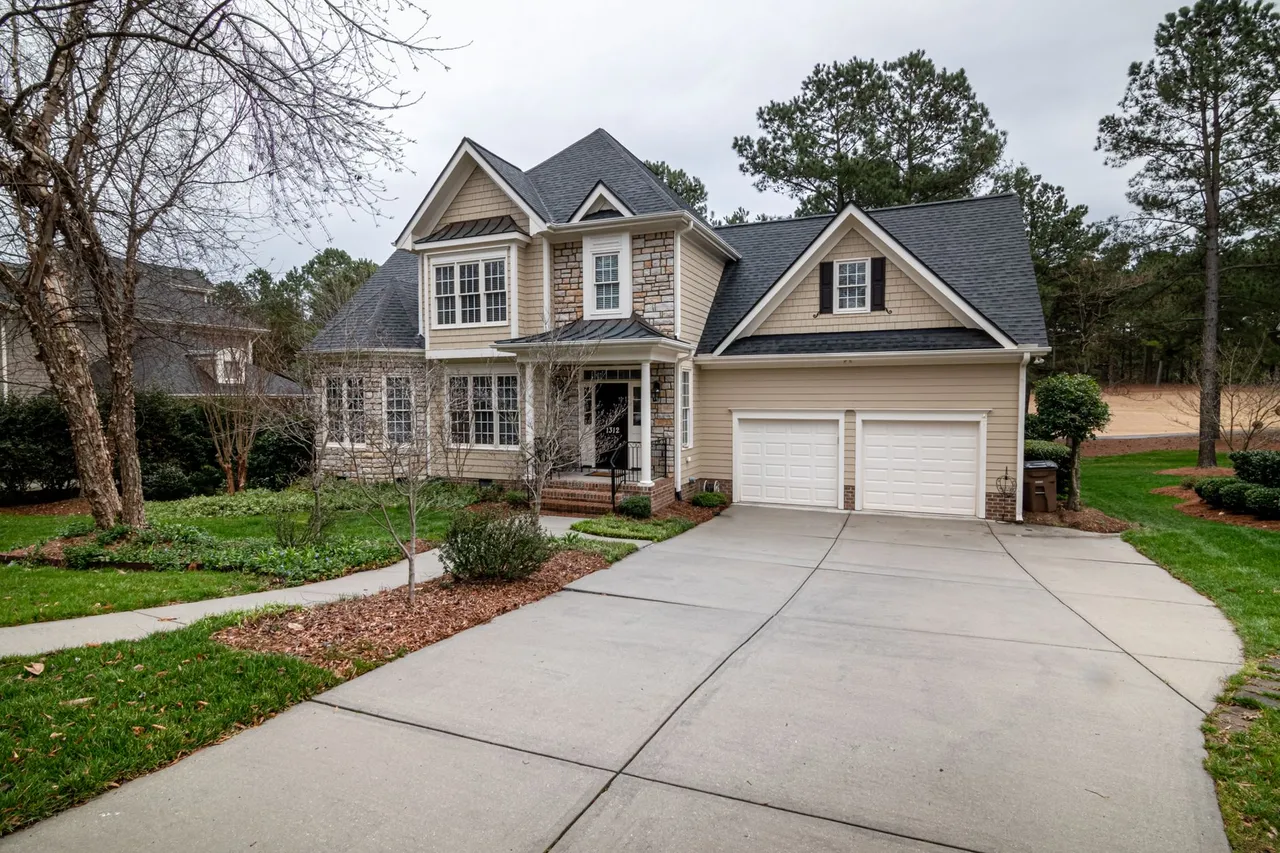
Concrete driveway cost in Adelaide varies because every project combines a different area, ground condition, finish type and scope of associated work. Before requesting quotes, understanding which variables move the price — and which questions to ask — puts you in a far stronger position to compare proposals fairly.
Why a Single Price Per Square Metre Misleads
You will commonly see advertised rates expressed as a cost per square metre, and they are a reasonable starting reference — but only once every variable is locked down. Two driveways of identical area can carry very different costs if one requires significant excavation, a crossover kerb cut, coloured concrete, or the removal of an existing slab.
The finish choice alone creates a substantial spread. Plain broom-finished concrete, exposed aggregate, and coloured concrete each involve different material inputs and labour processes. A decorative finish that requires careful timing, additional product layers or specialist tooling will cost more than a standard grey pour, and that difference belongs in any honest per-square-metre comparison.
Measuring Scope Accurately Before Requesting Quotes
An accurate area measurement is the foundation of any reliable cost estimate. For a straightforward rectangular driveway this is simply length multiplied by width, but most Adelaide driveways include tapers, curves or aprons that add area — sometimes more than homeowners expect.
Consider walking the full run of your driveway and noting:
- Where the concrete begins (typically at the kerb crossover or property boundary)
- Whether the width changes between the street and the garage
- Any turning bay, side extension or pathway that connects to the driveway
- Steps, transitions or level changes that require additional forming
If you are replacing an existing surface, the area of work for removal and disposal may differ from the new concrete area if you are widening or reconfiguring the layout. Measuring both separately helps the contractor price each component clearly.
Site Preparation: Often the Most Variable Cost
Site preparation is the stage most likely to produce unexpected cost variation, particularly on replacement projects. Excavation depth, soil type, subgrade stability and drainage all influence how much preparation work is involved before concrete is poured.
A site with stable, well-drained soil over a compact base requires less intervention than one with reactive clay, tree root intrusion or fill that has settled unevenly. Poor subgrade that is not addressed before the pour will shorten the life of the finished slab regardless of the concrete mix or thickness used.
Removal and disposal of an existing concrete or asphalt surface adds labour and tipping costs that vary with the thickness of the existing material and how accessible the site is to machinery. A narrow side access or a driveway bordered by retaining walls will generally cost more to excavate than an open front yard.
Stormwater management is another site-specific variable. Where a new or reconfigured driveway changes how rainwater flows across a property, councils may require that stormwater is directed to an approved point of discharge. The Town of Gawler describes stormwater affecting neighbours outside a recent development application as a civil matter between property owners. Council permission for crossover work or a stormwater connection to the street kerb is a separate question.
Council Requirements and the Kerb Crossover
The section of driveway from the property boundary to the kerb — the crossover — is not simply private property. It crosses council-controlled land, and work in this zone is subject to council requirements that vary by suburb.
The City of Port Adelaide Enfield describes property owners as responsible for constructing, repairing and maintaining a crossover to council specifications. The City of Prospect requires authorisation before installing, modifying or relocating a driveway and gutter crossover. What applies in one Adelaide council area does not automatically apply in another.
This matters for cost because council-compliant crossover work may need to be completed or inspected by the council itself, by its approved contractor, or at minimum to its stated specification — all of which should be identified in your project scope before quotes are finalised. Ask your contractor whether the crossover is included in their quote and, if so, how they will handle council requirements for your specific address.
For broader planning implications, South Australia’s planning system has multiple assessment pathways, and whether a particular driveway project triggers a formal development application depends on the proposal and the applicable planning framework. Your contractor or council can advise whether your project requires approval beyond a crossover permit. See PlanSA for general pathway information.
What a Written Quote Should Include
A detailed written quote protects both parties and makes it possible to compare multiple proposals accurately. When reviewing any quote for a concrete driveway project, check that it specifies:
Inclusions to look for:
- Total area of concrete work (in square metres)
- Finish type — plain, broom, exposed aggregate, coloured or other finish
- Excavation depth and subgrade preparation method
- Whether existing concrete or asphalt removal and disposal is included
- Formwork, reinforcement type and any control joint placement
- Crossover scope — included or excluded, and who manages council requirements
- Curing method and any sealer application
- Site clean-up and reinstatement of disturbed areas
- Warranty terms and what they cover
Anything not listed in the quote document is likely to be treated as a variation — an addition to the original price — if it comes up during the job. Vague descriptions like “all driveway works” without itemisation leave significant room for disagreement.
The SA Government advises consumers to ask for explanations of any contract terms that are unclear and to verify that a contractor holds the relevant licence for the work being undertaken.
Replacement Versus New Installation
A driveway replacement introduces cost components that a first-time installation does not. Demolition, removal and disposal of the existing surface must be priced, and there may be reasons to investigate what is beneath the old surface before committing to a scope.
A hypothetical scenario worth considering: a homeowner accepts a quote for replacement based on a surface-level inspection, only to find during demolition that the old slab was poured over poorly compacted fill. The additional subgrade work was not anticipated in the original price because the contractor had no way to assess it without excavating. This is not unusual, and an honest contractor will note this possibility explicitly rather than present a quote that assumes ideal conditions.
For a plain concrete replacement versus an upgraded exposed aggregate or coloured finish, it is worth reading the plain concrete driveway planning guide before finalising your brief.
Comparing Concrete With Asphalt
Some Adelaide homeowners use the quoting process as an opportunity to compare concrete with asphalt. The two materials have different upfront costs, maintenance profiles and aesthetic outcomes. If that comparison is relevant to your decision, asphalt driveway enquiries can be requested through this site for comparative proposals.
Before You Request a Quote
Arrive at your first contractor conversation with a measured area, a clear idea of your preferred finish, and a note of any existing surface requiring removal. If you are near a kerb, find out which council manages your area and what their crossover requirements are before the quote is finalised. That preparation turns a vague estimate into a price you can actually rely on.
Request a project enquiry to connect with a local contractor who can assess your specific site.
Further reading and sources
Discuss your project
This guide helps prepare questions; it is not a site assessment, design specification or professional approval. Read about concrete driveway enquiries in adelaide before making a project enquiry.