
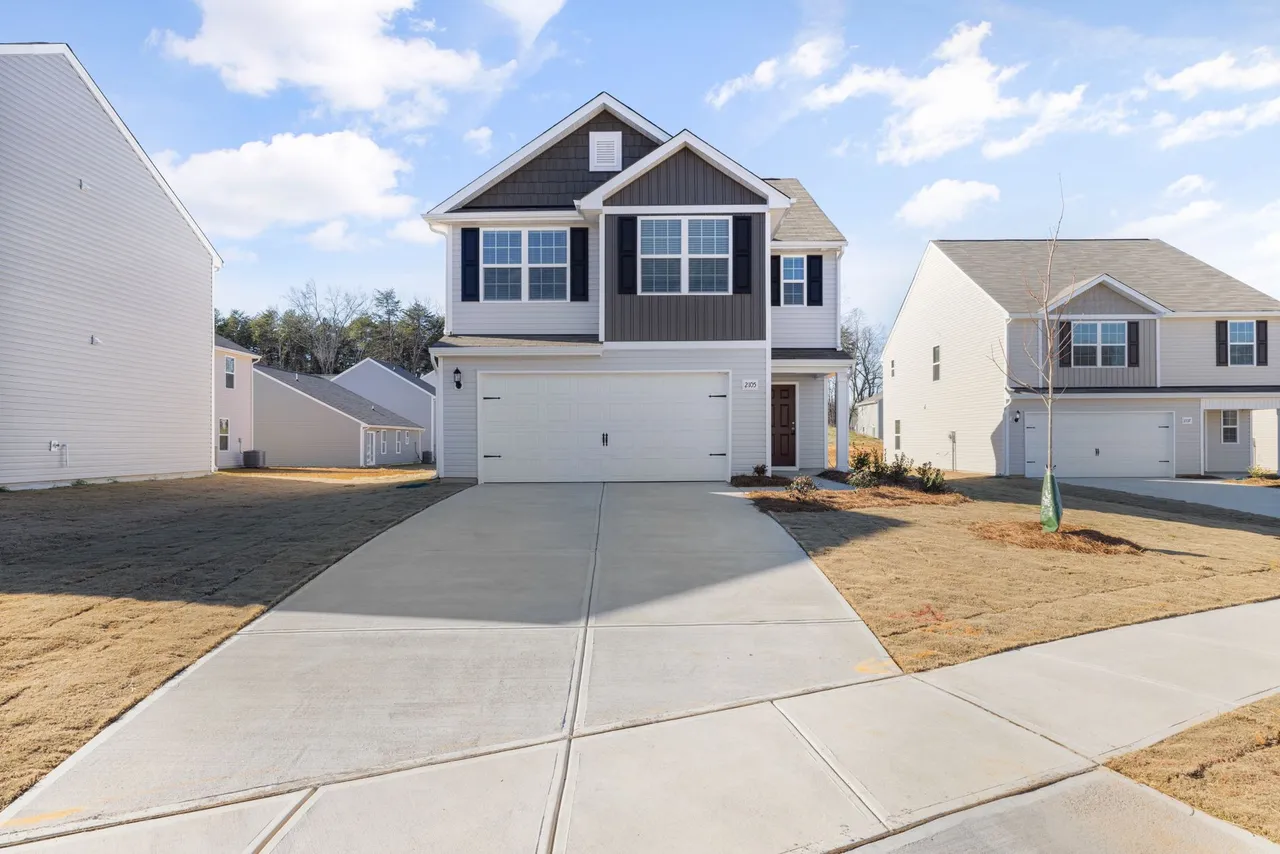
Good photographs do not replace a site visit, but they give a concreter or asphalt contractor the context to ask better questions before they arrive — and they help you get a more accurate preliminary estimate. Taking a methodical set of photos before you submit a driveway enquiry turns a vague description into a visual brief that any skilled trade can interpret quickly.
Why photos matter before a driveway assessment Adelaide visit
A contractor scoping a job in Adelaide is thinking about the same things every time: total area, access constraints, existing condition, drainage behaviour, and anything touching public infrastructure. If you can answer most of those visually before anyone drives out, the on-site visit becomes confirmation rather than discovery. That means fewer follow-up calls, a tighter scope of work in your quote, and less chance of a price change once work begins.
Photographs also create a time-stamped record. If a crack grows between your initial enquiry and the scheduled work, the contractor can see that the condition changed — useful context for both sides.
Shoot the whole area from a safe elevated position first
The single most useful image you can take is a wide overhead or near-overhead shot of the entire driveway from one end. The goal is to show the full length, the full width between kerb and garage, and anything immediately adjacent — a garden bed, a fence line, a neighbouring property boundary, or a retaining wall.
A good position is often from a first-floor window, the top of a short ladder, or simply standing at the garage end and shooting back toward the street. Shoot in good natural light with no strong shadows cutting across the slab, since shadows can hide or exaggerate surface texture.
Take at least two wide shots from opposite ends so the contractor can see depth and grade from both directions. Width looks very different when shot from the street compared with from the garage.
Hypothetical scenario (illustrative, not a customer story): Imagine a property in a suburb like Prospect with a standard double-width driveway that narrows toward the crossover. A single end-on photo might make it look like a single-car width; a photo taken from the kerb looking back would immediately show the taper. A contractor seeing both images in advance can prepare a more accurate linear-metre estimate before attending.
Photograph every access point separately
Access affects both how the job is priced and how it is sequenced. Photograph:
- The crossover at the kerb: show the full width of the opening, the gutter, and the footpath surface on both sides. Some Adelaide councils — including Port Adelaide Enfield and the City of Prospect — have specific requirements for crossover construction, repair and alteration that involve council authorisation before work begins. A photo showing the existing crossover condition tells a contractor whether that element needs to be discussed with your council or road authority before quoting.
- The garage entry: show the threshold, the apron, and whether there is a step or level change between the slab and the garage floor.
- Any side or rear access: if a pedestrian gate opens onto the driveway, or if the contractor’s equipment would need to enter from the side of the property, photograph that path.
- Overhead obstructions: a low eave, a carport beam, or an overhanging tree branch can limit concrete truck access or pump placement. A photo from ground level looking up along the driveway shows this clearly.
Access photographs are especially important for driveway replacement and upgrade projects where an excavator or bobcat needs to remove the existing slab.
Document every visible concern on the existing surface
If you are replacing or repairing an existing driveway, photograph every crack, spall, heave, subsidence, or stain you can see. Crouch down to get a low-angle shot along the slab — this raking light technique shows surface undulation and cracking that a straight overhead photo misses entirely.
For each concern, include:
- A wide context shot showing where on the driveway the issue sits
- A close-up shot that shows the width and character of the damage
- A shot showing the edge of the slab if it has lifted, settled, or is crumbling
Pay particular attention to low points where water pools. Stormwater management is a real consideration for driveway works — where water currently drains can affect the design of a new surface, and in some councils, works affecting stormwater connections or neighbouring properties may need separate authorisation. Your photograph of a persistent puddle or a water mark against a wall communicates this risk immediately.
If there are oil stains or chemical spills on a concrete slab you are hoping to resurface rather than replace, photograph those too. Contamination affects what surface preparations or finishes are viable — a question best resolved with the concreter on-site, but flagged clearly in advance.
Capture the boundary and neighbouring structures
Photograph both side boundaries along the full driveway length. Where a fence, garden wall, or the neighbouring property’s surface sits close to your driveway edge, that affects forming, compaction access, and potentially drainage fall direction. If a retaining wall sits at the top end of a sloping driveway, photograph its base and condition — contractors need to know what they are forming against.
For properties in areas covered by SA’s planning framework, the assessment pathway for a proposed driveway can depend on what the proposal involves and how it relates to adjacent structures. Requirements are site-specific, so the photos you take of boundaries help your contractor and, where relevant, your council understand the full context before lodging anything.
Include a measurement reference in at least one shot
Place a standard tape measure, a metre ruler, or even a 600 mm floor tile against the surface in at least one photograph. This gives a contractor a scale reference when estimating area from your images. It is not a substitute for their own measurement, but it helps them sense-check what they are seeing.
Organise and label your photos before sending
A set of twelve unlabelled images arriving in a contact form is harder to interpret than a small organised folder. Before you request a project enquiry, spend two minutes renaming or captioning your photos:
01_full-driveway-from-street.jpg02_full-driveway-from-garage.jpg03_crossover-kerb-left.jpg04_crossover-kerb-right.jpg05_crack-mid-slab-wide.jpg06_crack-mid-slab-closeup.jpg07_low-point-drainage.jpg08_left-boundary-fence.jpg09_garage-threshold.jpg
This takes less time than a phone call and communicates more. If you are still weighing up finish options, our guide to concrete driveway finish options to discuss and the exposed aggregate driveway selection guide are worth reading before you submit — a photo of your existing surroundings (pavers, render colour, roofline) can also help a contractor suggest a finish that suits the property.
Before you send: a quick self-check
- Wide shot from street end showing full width and length
- Wide shot from garage end showing grade direction
- Both crossover edges at the kerb, including footpath
- Garage apron and threshold level
- Any side or rear access path
- Low-angle raking shot along entire slab length
- Close-up of every crack, spall or stain with a wide context shot
- Any low point where water pools
- Both side boundaries for full driveway length
- At least one shot with a scale reference
- Any overhead obstructions above the driveway
For questions about what a quote should include once you have your photos ready, see our guide on concrete driveway cost questions. If you are exploring colour options alongside your surface choice, coloured concrete sample selection explains what to ask for before committing.
Further reading
- SA Government — Choosing a building professional
- City of Port Adelaide Enfield — Footpath and driveway services
- City of Prospect — Undertaking work on council land
- Town of Gawler — Land development
- PlanSA — Assessment pathways
Discuss your project
This guide helps prepare questions; it is not a site assessment, design specification or professional approval. Read about concrete driveway enquiries in adelaide before making a project enquiry.