
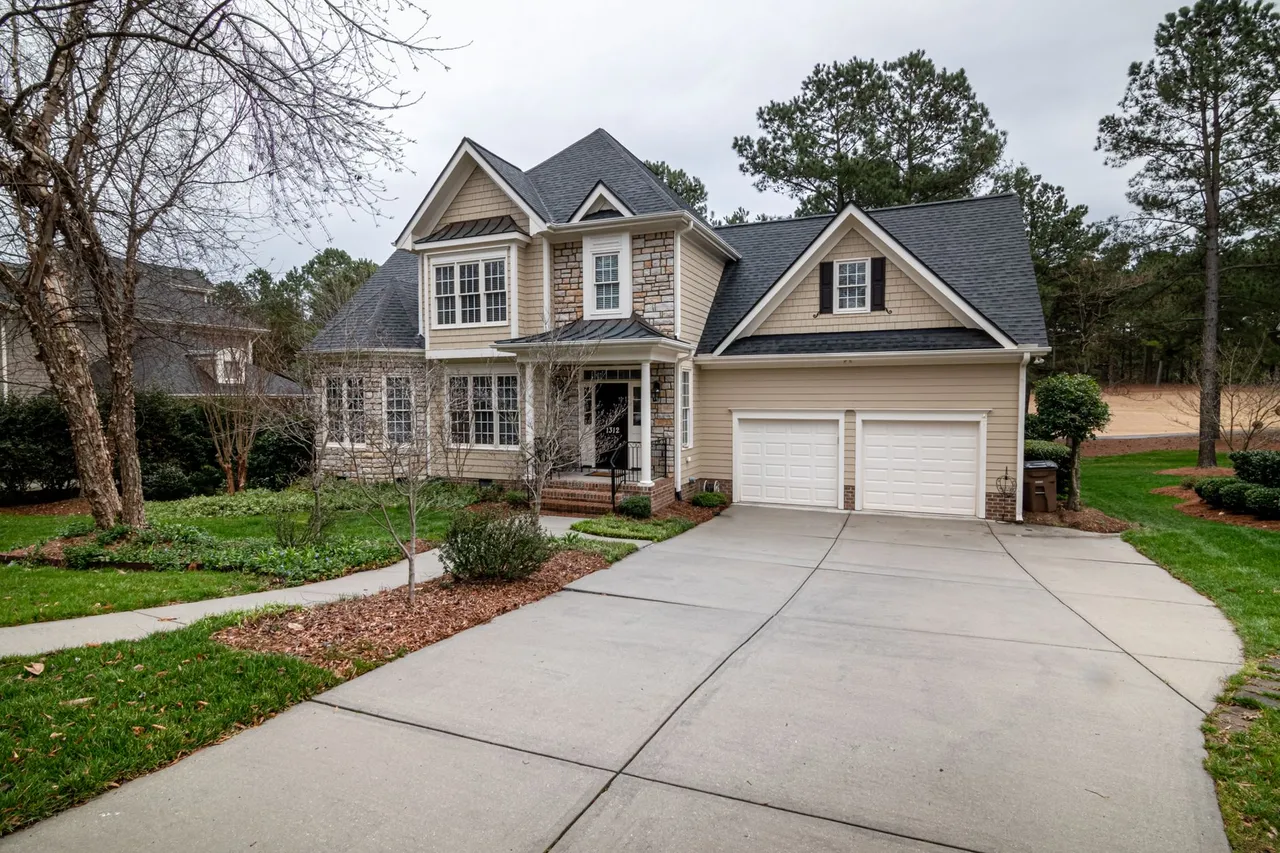
Before any Adelaide driveway project begins — whether a new concrete driveway, an exposed aggregate finish or an asphalt replacement — understanding where underground services run and how the crossover connects to council infrastructure is essential groundwork. Getting this right before the first saw cut protects your safety, your budget and your relationship with your local council.
Why Service Location Matters Before You Start
Driveways are not purely private surfaces. A new or replacement driveway typically involves excavation, saw cutting and potentially altering stormwater drainage — all activities that can intersect with buried assets you cannot see from the surface. Electrical conduits, gas mains, water supply pipes, telecommunications cables and sewer lines may all pass beneath or adjacent to the area you plan to concrete or asphalt. Striking any of these unintentionally creates serious safety hazards and legal liability.
The crossover — the section connecting your property’s driveway to the public road — adds another layer of complexity. This strip often sits over council-maintained infrastructure and must meet council specifications regardless of what happens on the private property side. Several Adelaide councils, including Port Adelaide Enfield, place explicit responsibility on property owners to construct, repair and maintain a crossover according to council requirements. That responsibility does not disappear simply because you have engaged a concreter.
What Service Plans Actually Tell You
Service or utility plans are records held by asset owners — energy networks, water utilities, telecommunications carriers and councils — showing the approximate location of buried infrastructure. The operative word is approximate. Plans reflect where services were installed at the time of documentation; they may not capture later alterations, informal additions or service entries added by previous owners.
Before You Dig Australia provides a referral service for requesting plans and information from registered asset owners before work. Ask the provider who will obtain and review responses for the proposed excavation area, follow each asset owner’s conditions and arrange any necessary service locating. Plans are not proof of an exact underground position or permission to excavate; the actual work requires an appropriate safe method.
Keep all responses you receive. A concreter or asphalt contractor quoting your job should be informed of any known services — doing so helps them plan their method and flag any additional steps, such as hand-digging rather than mechanical excavation near a marked cable.
Understanding the Crossover and Council Authorisation
The footpath strip, kerb and gutter adjacent to most Adelaide residential properties belong to the council, not the homeowner. Installing, widening, relocating or modifying a driveway crossover in this zone is not purely a private building decision.
The City of Prospect, for example, requires authorisation before undertaking relevant alterations to public land, including installing, modifying or relocating a driveway and gutter crossover. The Town of Gawler describes stormwater affecting neighbours outside a recent development application as a civil matter between property owners. Council permission for crossover work or a stormwater connection to the street kerb is a separate question.
What this means in practice: before you finalise a driveway design, contact your responsible council to understand whether approval is needed, what materials and construction standards are required for the crossover section, and who is permitted to carry out that portion of the work. Requirements vary between councils, so checking your own council directly — rather than assuming another suburb’s rules apply — is the only reliable approach.
South Australia also has multiple development assessment pathways under the state planning framework; requirements depend on the specific proposal and the applicable planning framework for your property’s location. Your council’s planning or infrastructure team can clarify whether your project triggers any formal assessment.
Who Is Responsible for What
This is a question that creates confusion on many residential driveway projects.
Property owner responsibilities typically include:
- Obtaining any required council authorisation before work begins
- Providing service plan information to the contractor
- Ensuring the crossover meets council standards (even when engaging a contractor)
- Managing stormwater so it does not adversely affect neighbouring properties
Contractor responsibilities typically include:
- Following safe digging practices in and around marked service corridors
- Constructing to agreed specifications and any council-required standards
- Identifying unexpected conditions (such as unmarked services or unsuitable subgrade) and advising you before proceeding
If the scope includes a crossover, ask the provider who will contact the council, what authorisation applies and which records will be supplied. Contact the relevant council if the proposed process is unclear, and obtain appropriate advice about a disputed authorisation or contract obligation.
The South Australian Government advises that consumers can check whether a builder is licensed for the particular work and ask for explanations of any unclear contract terms. Verifying a contractor’s licence through Consumer and Business Services is straightforward and worth doing before committing to a quote.
A Hypothetical Planning Scenario
The following is a hypothetical illustration, not a real customer account.
Imagine a homeowner in a northern Adelaide suburb wanting to widen an existing concrete driveway and add an exposed aggregate finish. The existing crossover is single-car width. Before requesting quotes, a sensible preparation sequence might look like this:
- Submit a Before You Dig Australia request using the site address and approximate work area
- Review responses and note any service corridors crossing the proposed extension area
- Contact the local council to ask whether widening the crossover requires authorisation and what standards the crossover construction must meet
- Share service plan responses with any contractors providing quotes, noting areas that may require hand excavation
- Confirm in writing, before the contract is signed, which party is responsible for council authorisation and crossover compliance
This preparation does not remove the need for professional assessment — it makes that assessment more efficient and reduces the chance of discovering a costly complication mid-project.
Stormwater and Drainage Considerations
Altering a driveway can change how rainwater moves across your property and into the street. A larger paved area increases runoff volume; a changed level or profile can redirect flow toward a neighbouring property or away from an existing stormwater inlet.
The Town of Gawler describes stormwater affecting neighbours outside a recent development application as a civil matter between property owners. Council permission for crossover work or a stormwater connection to the street kerb is a separate question. This principle applies broadly across Adelaide councils. If your driveway project involves significant regrading or additional hardstand area, ask your council whether a stormwater management approach is required as part of any approval.
Preparing Questions for Your Contractor
When you approach driveway concreters or asphalt driveway specialists for quotes, the following questions help you assess whether they are approaching service location and compliance seriously:
- Have you reviewed the Before You Dig Australia response for this site?
- Does your quote include the crossover, and if so, does it account for council standards?
- How do you manage excavation near marked service corridors?
- What happens if an unmarked service is encountered during works?
- Do you hold a licence appropriate for this type of work in South Australia?
For driveway replacement and upgrade projects, service location and crossover compliance questions are equally relevant — a replacement is not automatically exempt from council requirements simply because a driveway existed in the same location previously.
Related Guides
- Concrete driveway cost questions
- Exposed aggregate driveway selection
- Concrete driveway finish options to discuss
- Coloured concrete sample selection
Further reading and sources
- SA Government – Choosing a building professional: https://www.sa.gov.au/topics/housing/buying-building-selling/building-a-home/choosing-a-building-professional
- City of Port Adelaide Enfield – Footpath and driveway services: https://www.cityofpae.sa.gov.au/services/footpath-driveway-services
- City of Prospect – Undertaking work on council land: https://www.prospect.sa.gov.au/development/new-developments/undertaking-work-on-council-land
- Town of Gawler – Land development: https://www.gawler.sa.gov.au/business-development/building-and-planning/land-development
- PlanSA – Assessment pathways: https://plan.sa.gov.au/development_applications/getting_approval/how_applications_are_assessed/assessment_pathways
Discuss your project
This guide helps prepare questions; it is not a site assessment, design specification or professional approval. Read about concrete driveway enquiries in adelaide before making a project enquiry.