
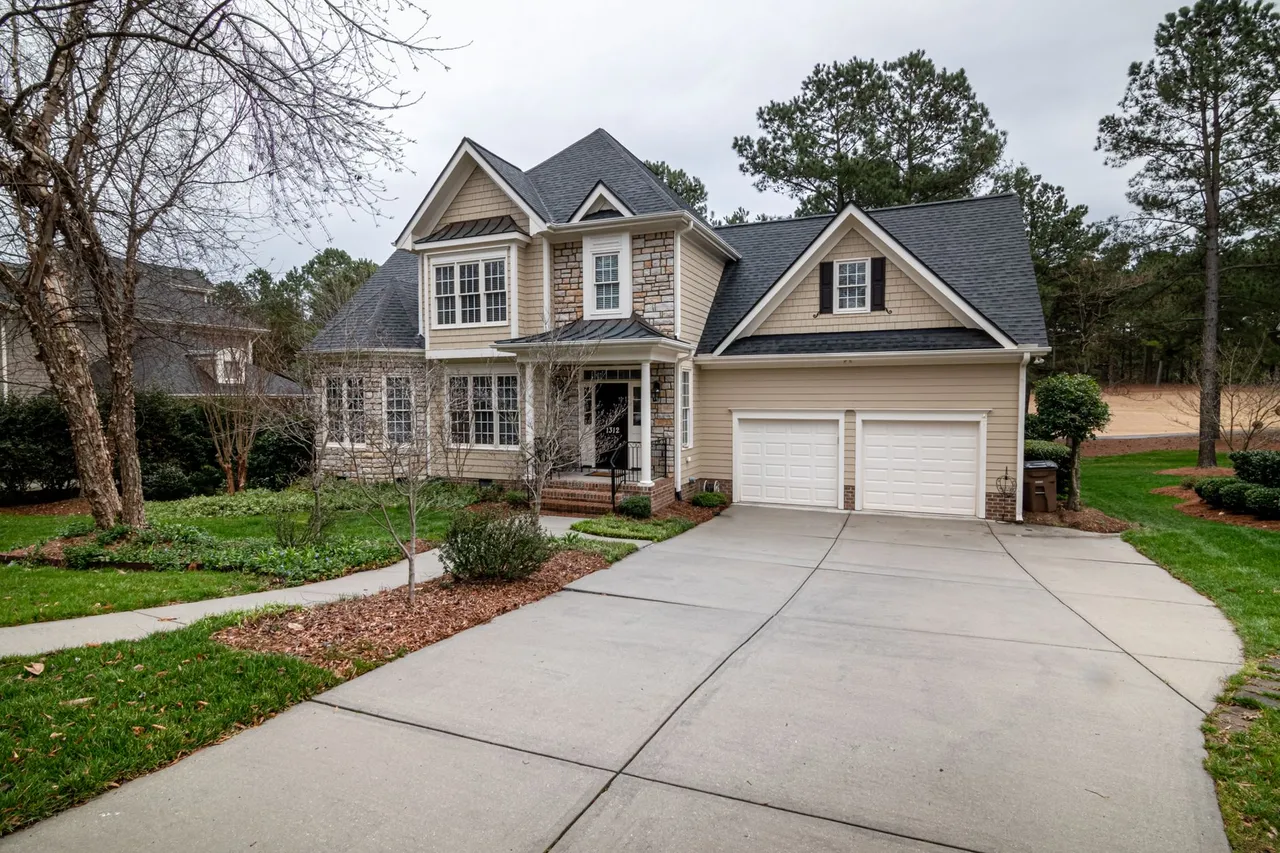
Driveway edging is the planning of how a driveway surface meets its surroundings — garden beds, paths, walls, and the street kerb — to prevent drainage problems, crumbling edges, and material mismatches.
Getting these details right before work starts in Adelaide saves real money. Once concrete has cured, changing an edge profile means cutting, breaking out, or adding a separate element. This guide explains the practical choices so you arrive at a conversation with a licensed concreter already knowing the right questions to ask.
Why edge details matter before the slab is poured
Concrete is permanent in a way that garden mulch or gravel is not. Edge details affect four things simultaneously:
- Structural support — a formed edge without compacted backing material can chip or spall under vehicle loads
- Water management — the fall direction and what water hits at the edge
- Material compatibility — what happens where two different surfaces meet
- Council requirements — especially at the crossover where your driveway meets council infrastructure
The Town of Gawler’s land development guidance notes specific stormwater disposal rules — including discharging away from all boundaries — and advises that where stormwater from a site affects neighbouring properties, it is a civil matter to be dealt with between the property owners. That framing matters: poor edge planning that sends water toward a neighbour’s land isn’t just an aesthetic problem.
Adjacent garden beds
A driveway edge against a garden bed is probably the most common detail Adelaide homeowners underestimate.
Height relationship. Is the finished concrete surface level with, above, or below the garden bed soil? Concrete sitting below garden bed soil will collect mulch and debris against the edge and promote moisture retention, which eventually causes staining and in some cases edge deterioration. A small reveal — where the concrete sits slightly above the adjacent soil — allows water to run off the slab rather than pooling against it.
Edge restraint. A plain formed concrete edge against loose garden soil has no physical restraint once the formwork is removed. Many concreters install a strip of steel edging, timber sleeper, or a small concrete mowing strip alongside a lawn or garden to give the slab a stable neighbour. If you want a garden bed flush against exposed aggregate or coloured concrete, discuss whether a mowing edge is appropriate — it protects the driveway finish and simplifies garden maintenance. See the exposed aggregate driveway selection guide for how surface texture affects maintenance near soft landscaping.
Drainage fall direction. When a driveway runs parallel to a garden bed along one side, the contractor needs to know whether you want any crossfall toward the garden or away from it. Directing water into an established garden bed is not always a problem, but directing it toward a house wall or under a fence line is worth flagging explicitly.
Material transitions
Adelaide driveways increasingly combine materials — a concrete base with an exposed aggregate feature strip, an asphalt driveway meeting a concrete apron at the garage, or coloured concrete meeting existing paving at a side path. Each transition point is a potential weak spot if not planned deliberately.
Concrete to asphalt. These two materials have different thermal expansion rates and different base requirements. Where they meet, movement can open a gap over time. A contractor experienced with both surfaces — see Asphalt Driveway Enquiries if you’re considering asphalt — will typically saw-cut a clean transition joint and may specify a flexible sealant rather than leaving a butt join exposed.
Concrete to concrete (colour or texture change). If you’re combining plain concrete with a coloured or exposed aggregate section, the construction joint between them needs to be positioned deliberately, not wherever the pour happens to stop. Construction joints that follow a straight line or a design detail look intentional; random cracks or offcuts do not. The coloured concrete sample selection guide covers how to assess finish combinations before committing.
Concrete or asphalt to existing paving. When a new driveway meets existing pavers, tiles, or an older concrete path, height matching is critical. A lip of even a few centimetres becomes a trip hazard and a water trap. If the existing surface is at a fixed height, the new slab edge profile needs to be designed around it, not the other way around.
Hypothetical planning scenario (not a customer story): Imagine a homeowner replacing a cracked asphalt driveway that runs alongside a raised garden bed on the right and meets an existing exposed aggregate path at the garage. If the edging detail for the garden side isn’t set before forming, the contractor may default to a plain vertical edge flush with garden soil — meaning every rainstorm washes mulch onto the new surface. And if the transition to the existing aggregate path isn’t measured and planned in advance, the new slab could finish noticeably above or below the path, creating both a visual and functional problem. Neither issue is expensive to prevent at the planning stage; both are expensive to fix afterwards.
The crossover edge — council considerations
The point where your driveway meets the public footpath or road is not simply your edge to design freely. In Adelaide’s metropolitan councils, the driveway crossover typically falls under council jurisdiction for materials, drainage, and construction standards — meaning the edge detail at the street isn’t purely a homeowner or contractor choice.
Check with your local council before specifying any edge detail at the street end of your driveway: what materials and profiles are permitted, whether a crossover permit or inspection is required, and who is responsible for a kerb cut if one is needed. A licensed contractor should be familiar with this process, but the approval obligation ultimately rests with the property owner. The SA Government also advises checking that any builder or contractor is licensed for the work being done before signing anything.
For a detailed breakdown of authorisation requirements, responsibility questions, and what to ask your council before work starts, see the driveway crossover enquiry preparation guide.
Selecting and locking in your edge detail
Once you’ve mapped the adjacencies — garden, path, fence, street — you can make specific choices before engaging a contractor.
Edge detail checklist
- Flush or proud finish against each neighbouring surface
- Mowing edge, garden edge, or steel edging where concrete meets soft landscaping
- Joint type and position at every material transition
- Fall direction and runoff destination at each edge
- Crossover profile consistent with your council’s requirements
Bring these decisions to your first conversation rather than leaving them to be resolved on-site. Contractors working to a tight schedule will make a default call if the detail isn’t specified — and defaults are designed to work generally, not to match your specific site conditions.
For broader questions about what a driveway project involves financially, the concrete driveway cost questions guide is a useful companion, and the driveway finish options guide covers how surface choices interact with edge appearance. For a full replacement project where existing edges need to be rethought entirely, see Driveway Replacement and Upgrades to submit a project enquiry, or visit Concrete Driveway Enquiries to ask a concreter directly about edge details for your suburb.
Further reading
- Town of Gawler — land development and stormwater disposal rules: https://www.gawler.sa.gov.au/business-development/building-and-planning/land-development
- SA Government — choosing a licensed building professional: https://www.sa.gov.au/topics/housing/buying-building-selling/building-a-home/choosing-a-building-professional
- PlanSA — assessment pathways: https://plan.sa.gov.au/development_applications/getting_approval/how_applications_are_assessed/assessment_pathways
Discuss your project
This guide helps prepare questions; it is not a site assessment, design specification or professional approval. Read about concrete driveway enquiries in adelaide before making a project enquiry.